
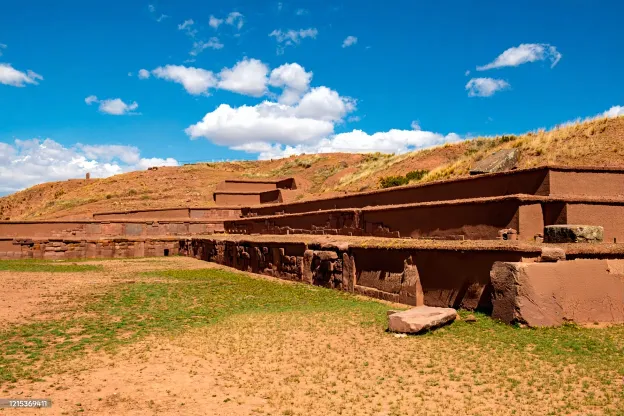
The Akapana Pyramid, located within the ancient city of Tiwanaku in Bolivia, stands as one of the most significant and mysterious monuments of the pre-Inca Tiwanaku civilisation.
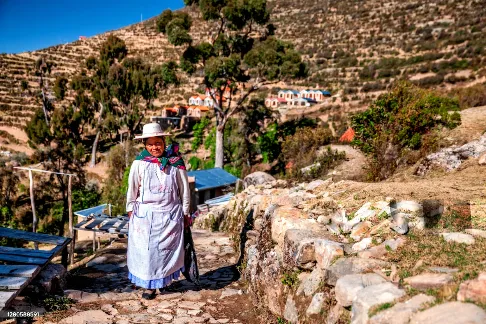
Weather can be a little confusing in Bolivia, especially in the capital, where temperatures can soar during the day and dip below freezing at night—so pack appropriately for both extremes. A key point in any Bolivia trave...
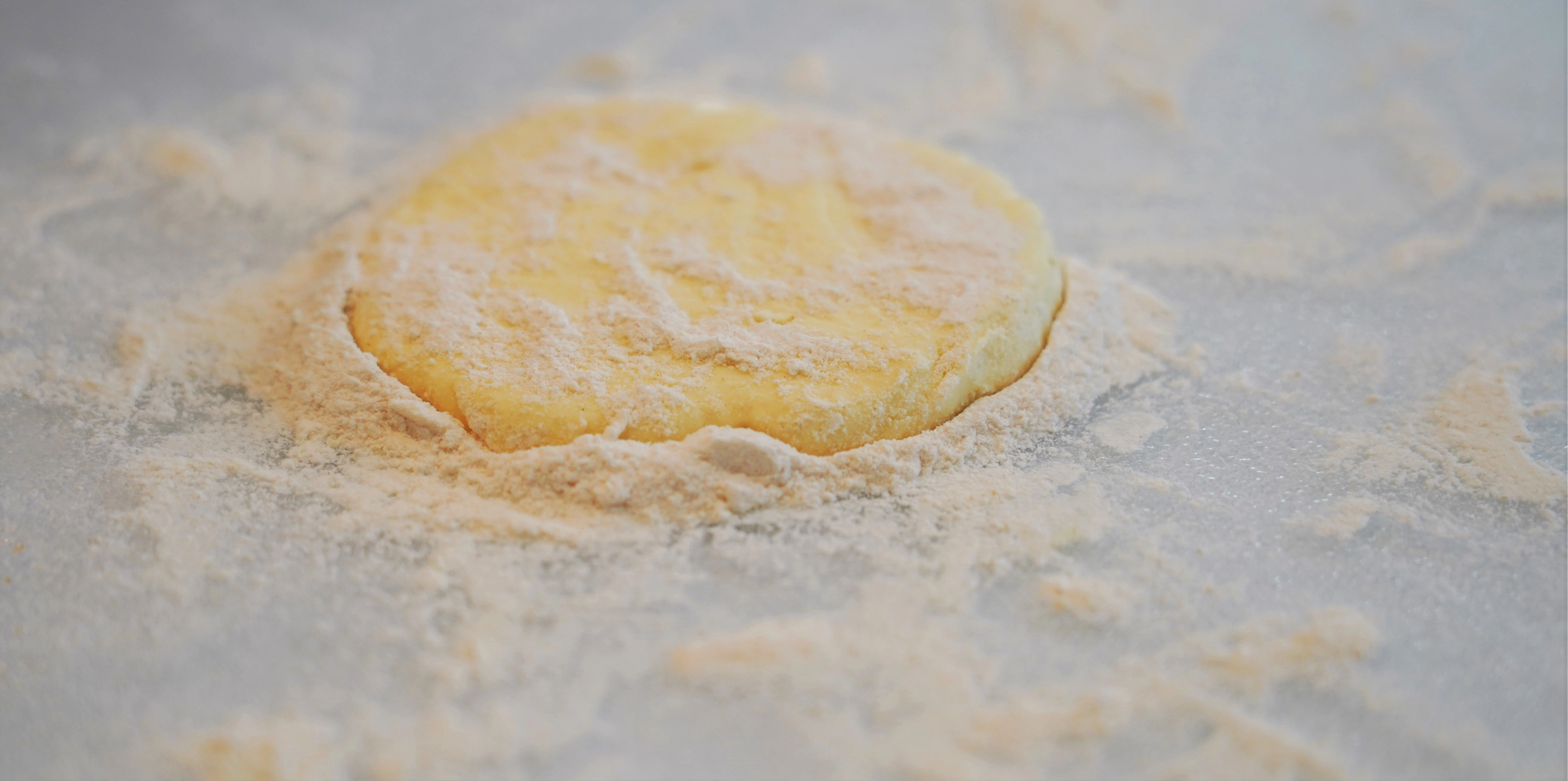
Bolivian cuisine is a flavourful blend of Spanish, Argentinian, German, and Italian influences, all intertwined with local ingredients and an eclectic selection of meats. This fusion has created some of the most popular food in...
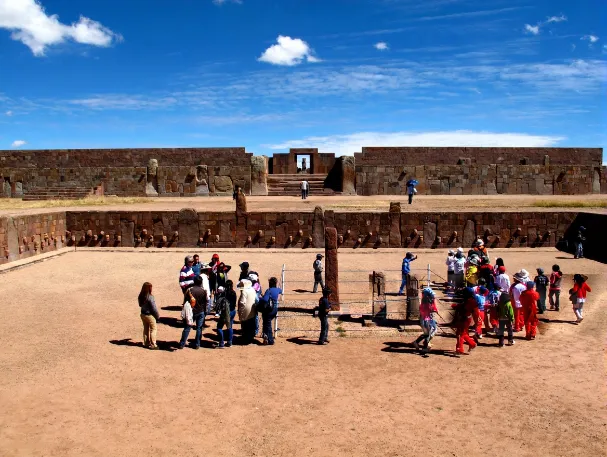
The Kalasasaya Temple, located in the archaeological site of Tiwanaku near Lake Titicaca in Bolivia, is one of the most significant ceremonial structures of the pre-Inca Tiwanaku culture. Built with massive stone slabs, this so...
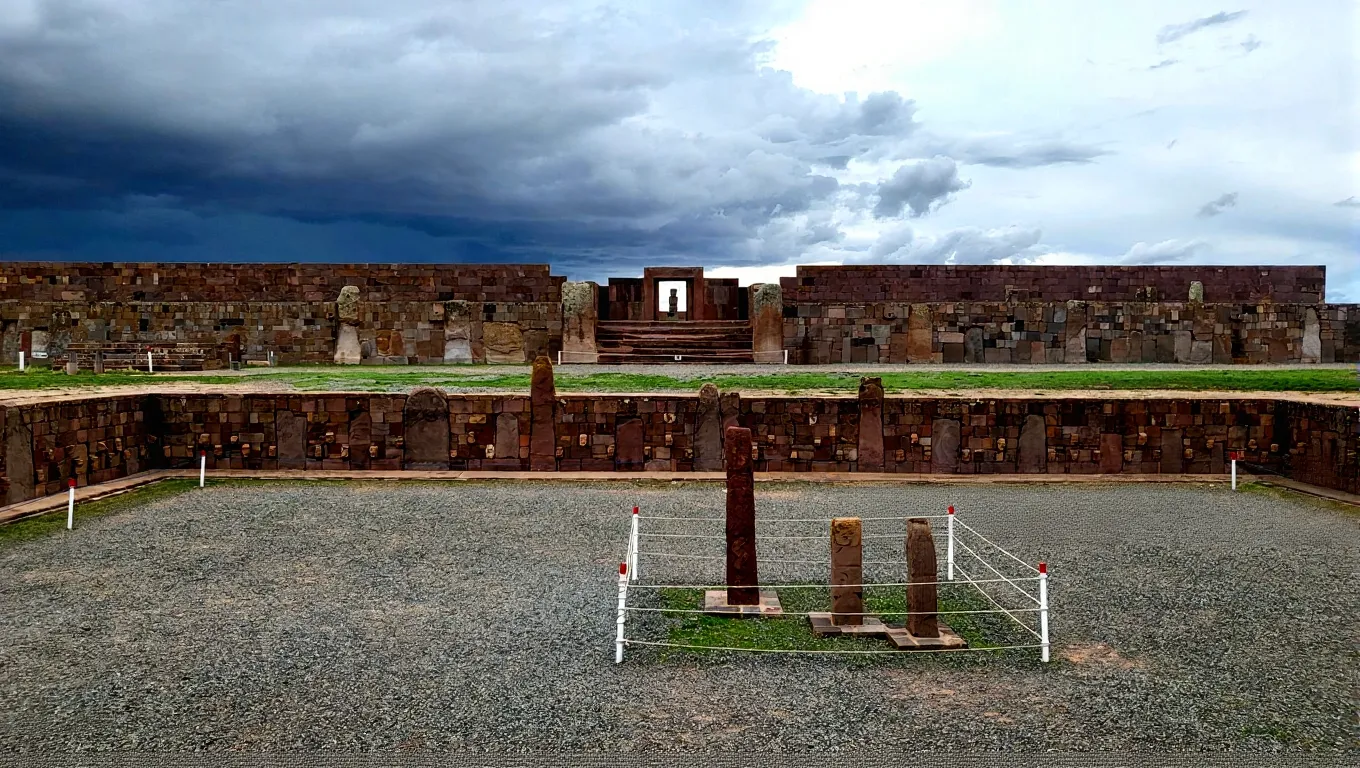
The Semi-Subterranean Temple, located at the Tiwanaku archaeological site in Bolivia, is a captivating pre-Inca structure built below ground level. Known for its sunken courtyard and mysterious stone heads embedded in the walls...

Angra dos Reis, located about 130 km south of Rio de Janeiro, is a coastal gem known for its beautiful archipelago of over 300 islands and crystal-clear waters. A favourite getaway for both locals and travellers, Angra offers p...

The Atlantic Rainforest, or Mata Atlântica, is one of the most biodiverse ecosystems on Earth, stretching along Brazil’s Atlantic coast. Though smaller than the Amazon, it is home to thousands of unique plant and an...

Brazilian cuisine is a rich blend woven from African, European, and indigenous influences. It’s incredibly diverse, so no matter your food preferences, you’ll always find something to love in Brazil. One of the top ...
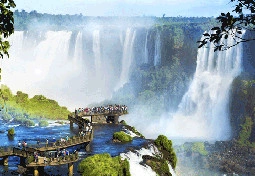
The Brazilian side of Iguazu Falls offers some of the most breathtaking panoramic views of this natural wonder. Located in Iguaçu National Park, the trails and walkways provide sweeping vistas of the falls’ full gl...
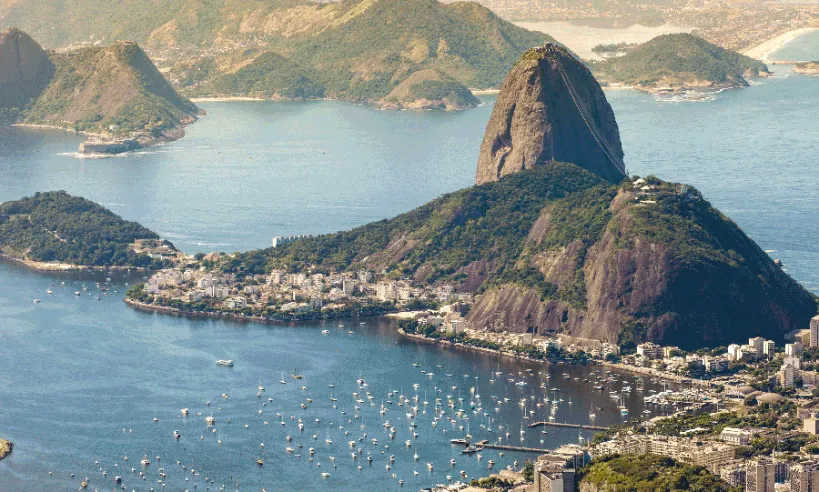
In Brazil, personal space is more flexible than in many other cultures—touch is an essential part of communication. One of the most important Brazil travel tips to remember is that warm, physical greetings are common. Exp...
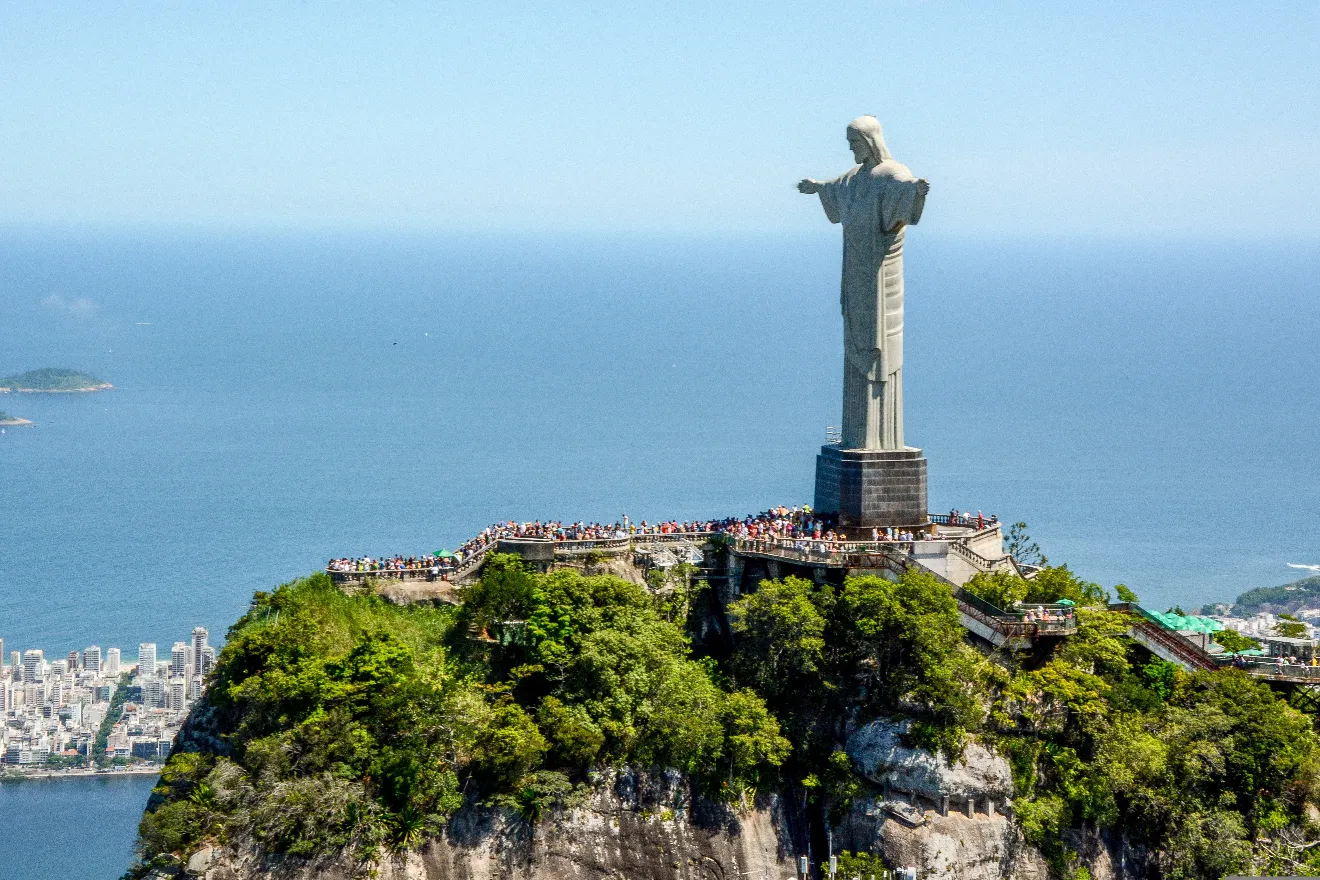
Standing 98 feet tall atop Corcovado Mountain in Rio de Janeiro, the Christ the Redeemer statue is one of the most iconic landmarks in the world. Completed in 1931, this Art Deco masterpiece stretches its arms wide over the cit...
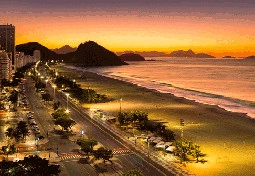
Copacabana Beach is one of the most iconic beaches in the world, stretching 4 kilometres along the Atlantic coast of Rio de Janeiro. With its golden sands, mosaic-tiled promenade, and vibrant energy, it’s a must-visit des...
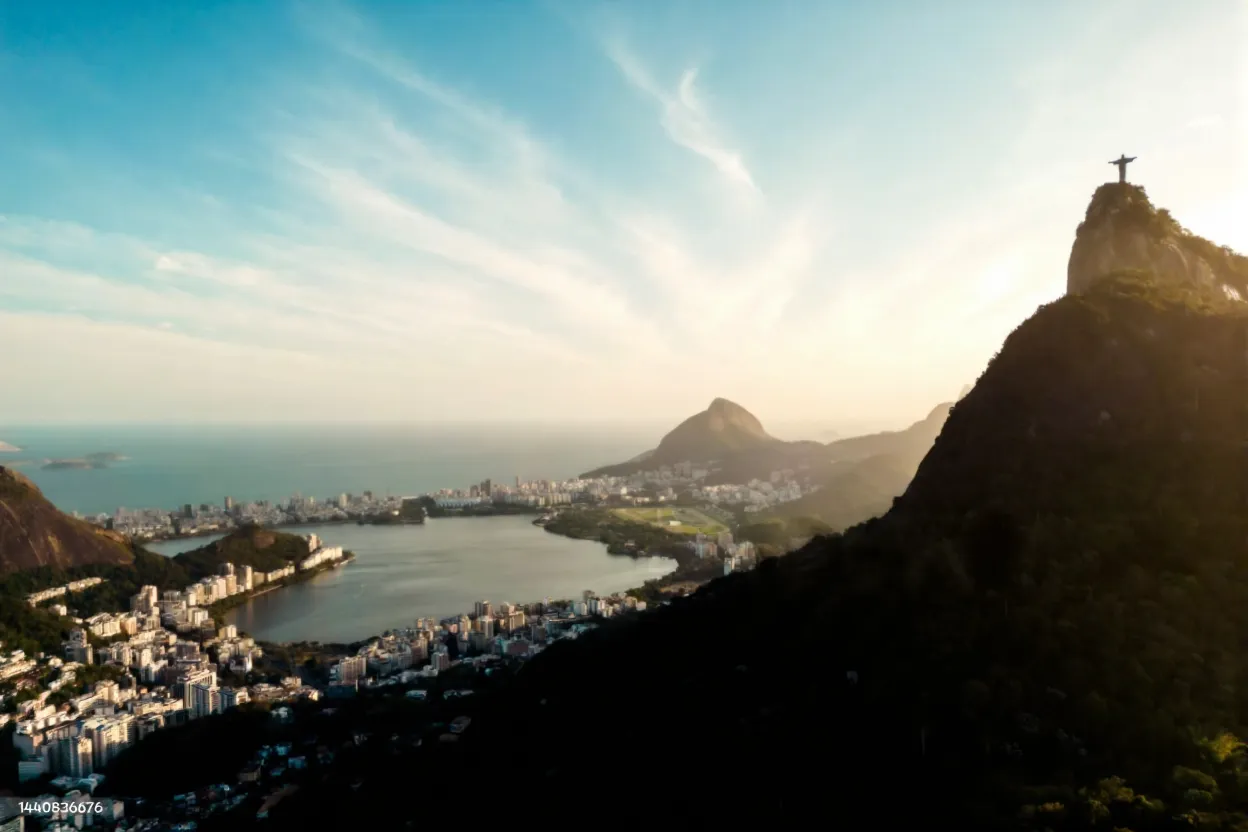
Corcovado Hill is one of Brazil’s most famous landmarks, rising 710 metres above Rio de Janeiro and crowned by the world-renowned Christ the Redeemer statue. Aboard a scenic train ride or by road, visitors ascend through ...
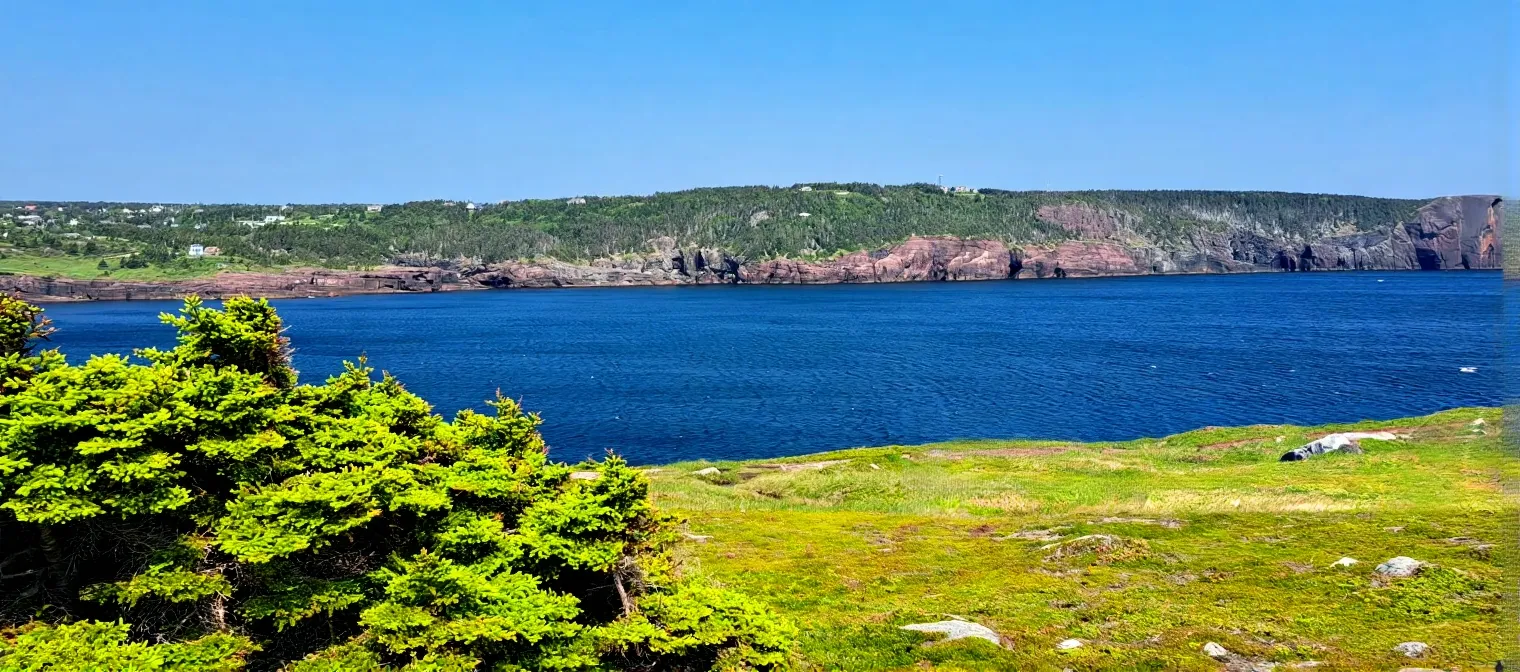
The Island of Terra Nova, located near Manaus in the heart of the Amazon, offers a peaceful escape surrounded by the vast beauty of the rainforest. Known for its tranquil riverside setting, local villages, and abundant wildlife...
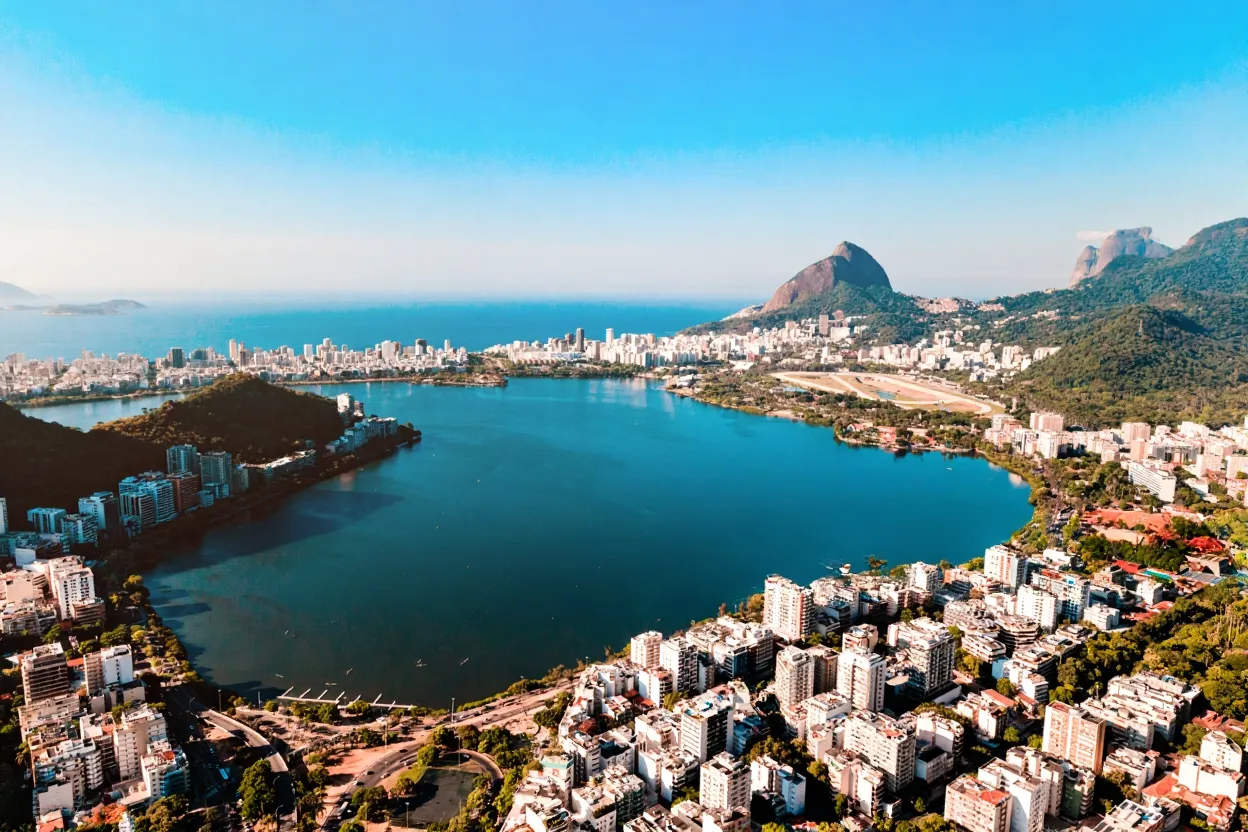
Nestled between Rio de Janeiro’s iconic neighbourhoods and the towering Christ the Redeemer statue, Rodrigo de Freitas Lagoon is a tranquil escape with stunning views.

Sugar Loaf Mountain (Pão de Açúcar) is one of Rio de Janeiro’s most famous landmarks, rising 395 metres above the city at the entrance of Guanabara Bay. Known for its unique rounded peak that resemble...
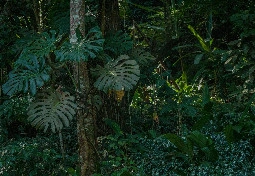
Tijuca National Park, nestled in the heart of Rio de Janeiro, is one of the largest urban rainforests in the world. This lush green sanctuary covers over 3,000 hectares and offers a stunning mix of biodiversity, waterfalls, sce...
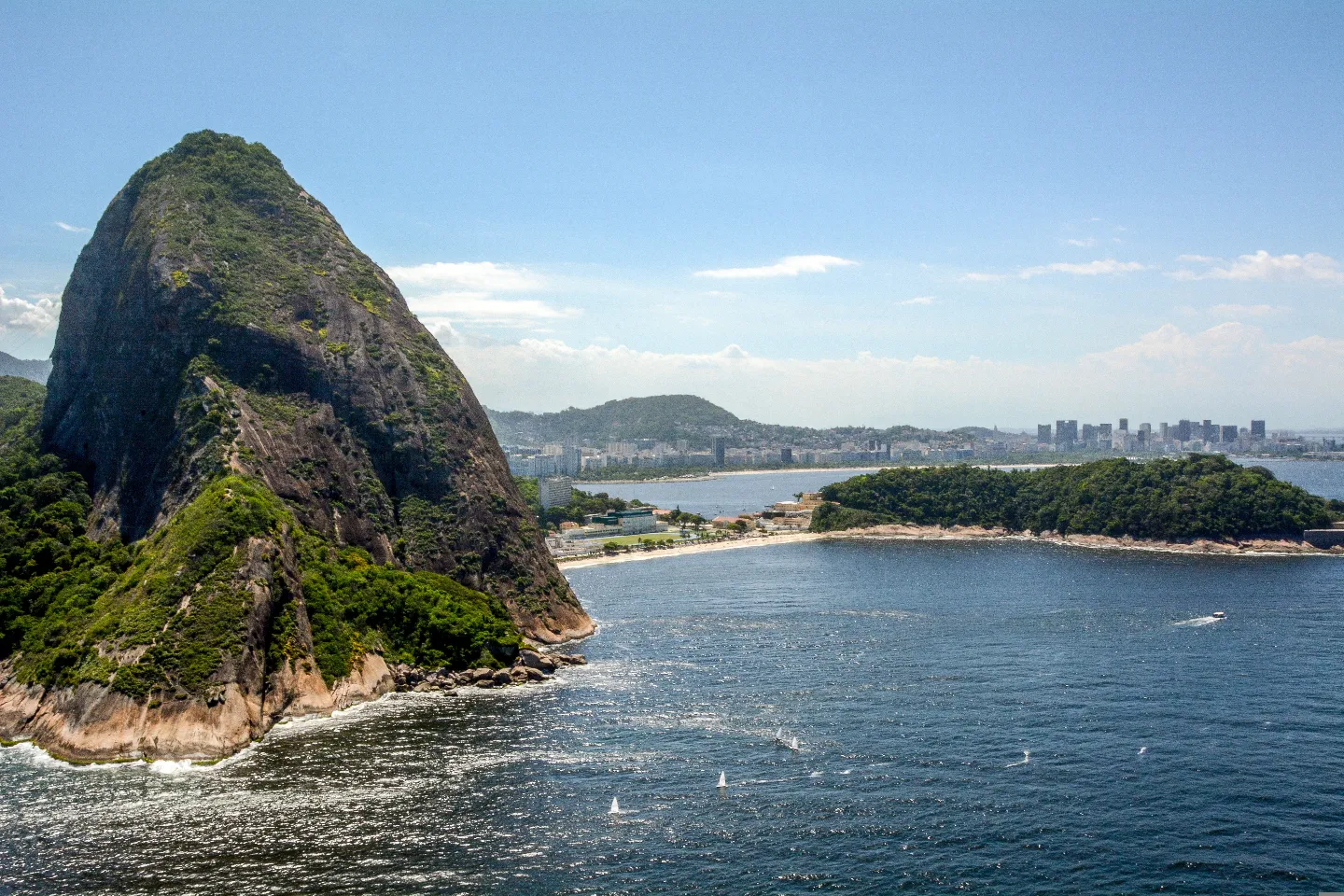
Urca Hill, located in Rio de Janeiro, Brazil, is a stunning viewpoint and the first stop on the famous cable car ride to Sugarloaf Mountain. Rising 215 metres above sea level, it offers breathtaking panoramic views of Guanabara...
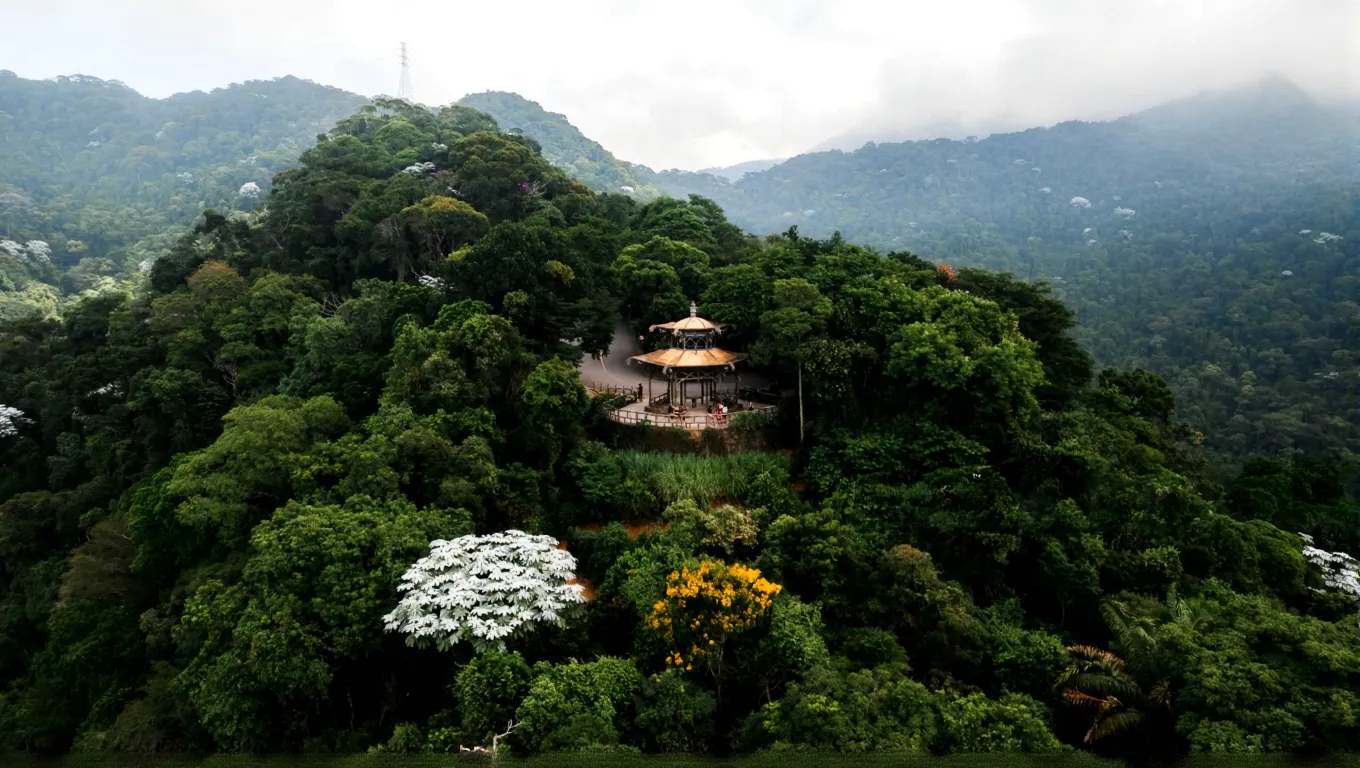
Tucked away in the lush Tijuca National Park, Vista Chinesa is one of Rio de Janeiro’s best-kept secrets. This charming Chinese-style gazebo sits at an altitude of 380 metres and offers breathtaking panoramic views of Rio...
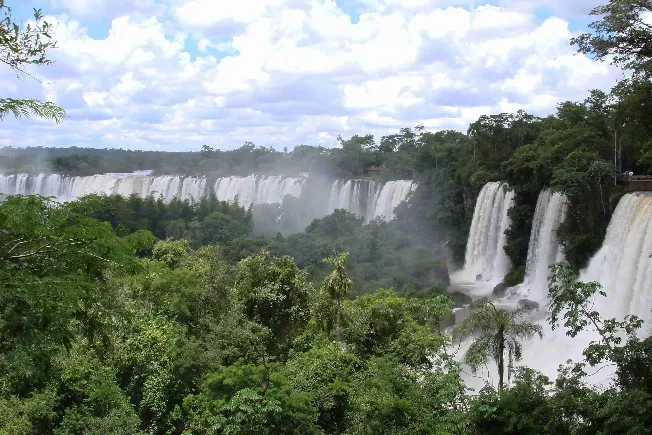
The Argentinian side of Iguazu Falls offers an unforgettable close-up encounter with one of the world’s most spectacular natural wonders. Located in Iguazú National Park, this side of the falls features a network o...
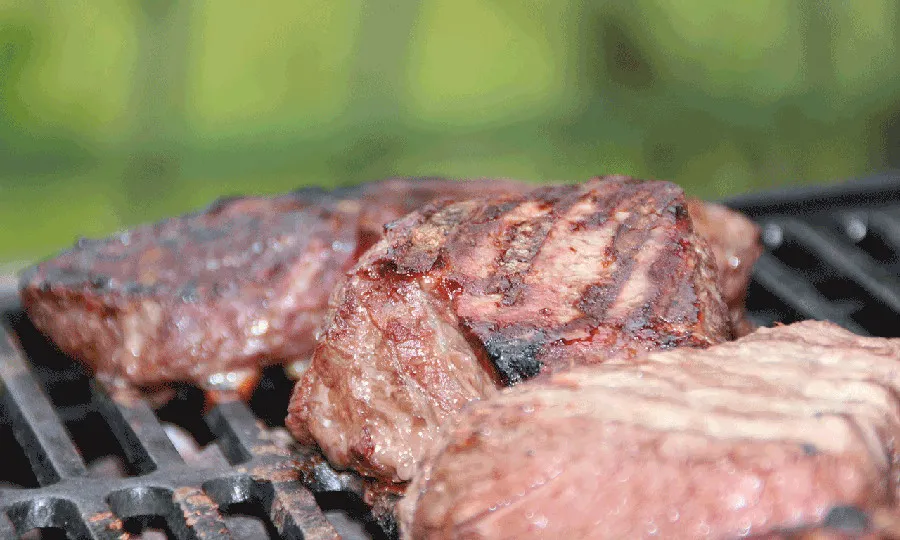
Argentinians aren’t shy about their love for beef, and one of the best ways to experience it is through asado—a signature element of traditional Argentine cuisine. This beloved form of Argentina’s BBQ is a soc...
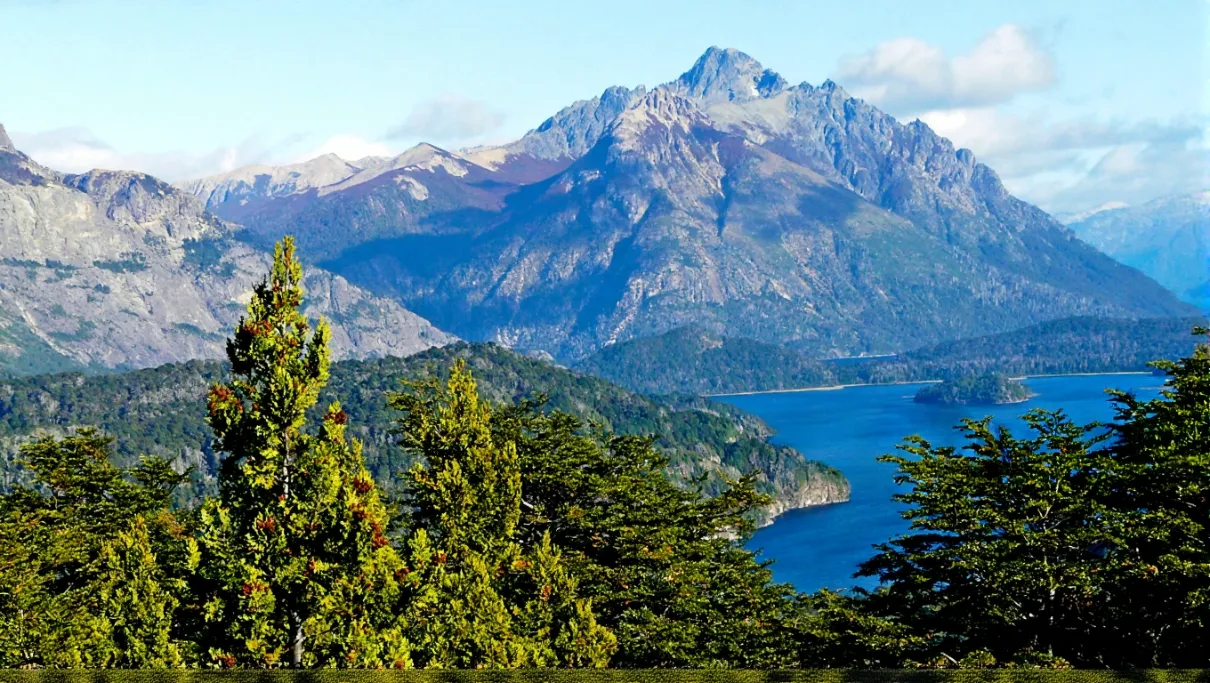
Campanario Hill (Cerro Campanario) is one of the top attractions in Bariloche, Argentina, offering breathtaking panoramic views of the Patagonian landscape. A quick chairlift ride takes visitors to the 1,050-metre summit, where...
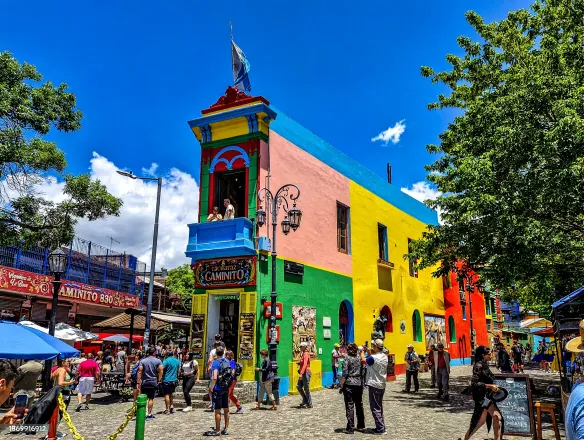
La Boca is one of Buenos Aires' most iconic and vibrant neighbourhoods, best explored on foot. This walking tour of La Boca Argentina, takes you through cobblestone streets lined with brightly painted houses, lively tango dance...
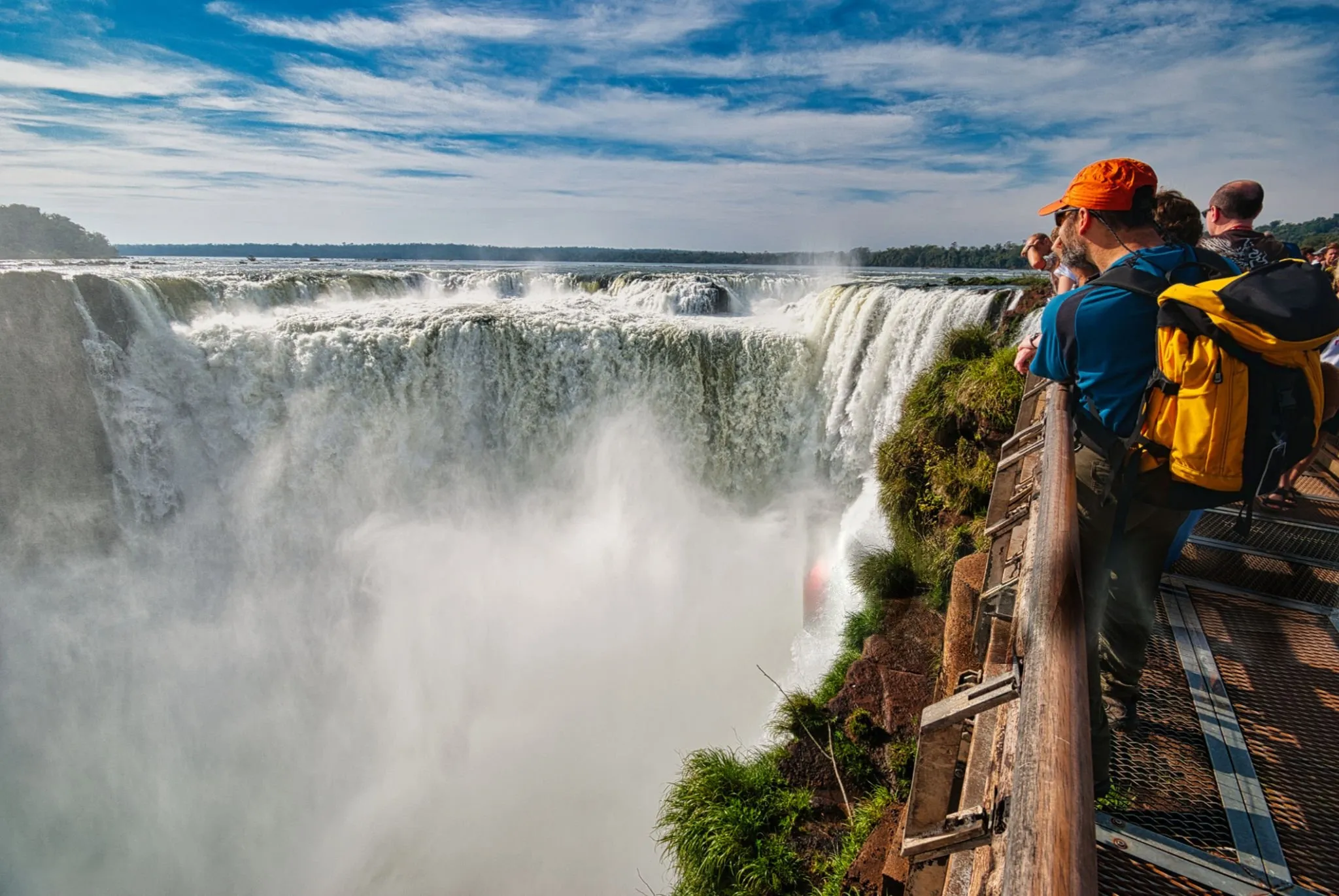
Devil’s Throat (Garganta del Diablo) is the most incredible and powerful section of Iguazu Falls, located on the border of Argentina and Brazil within Iguazu National Park. This massive U-shaped waterfall drops over 80 me...
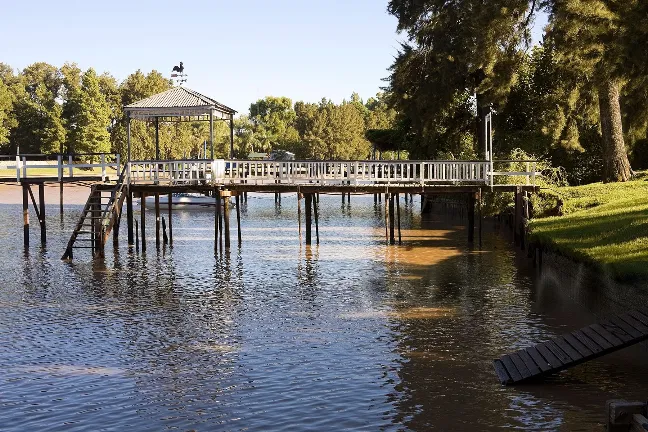
The Delta Island Tour is a perfect getaway from the hustle of Buenos Aires, offering a peaceful journey through the natural beauty of the Tigre Delta. Travel by boat through a maze of waterways surrounded by lush vegetation and...
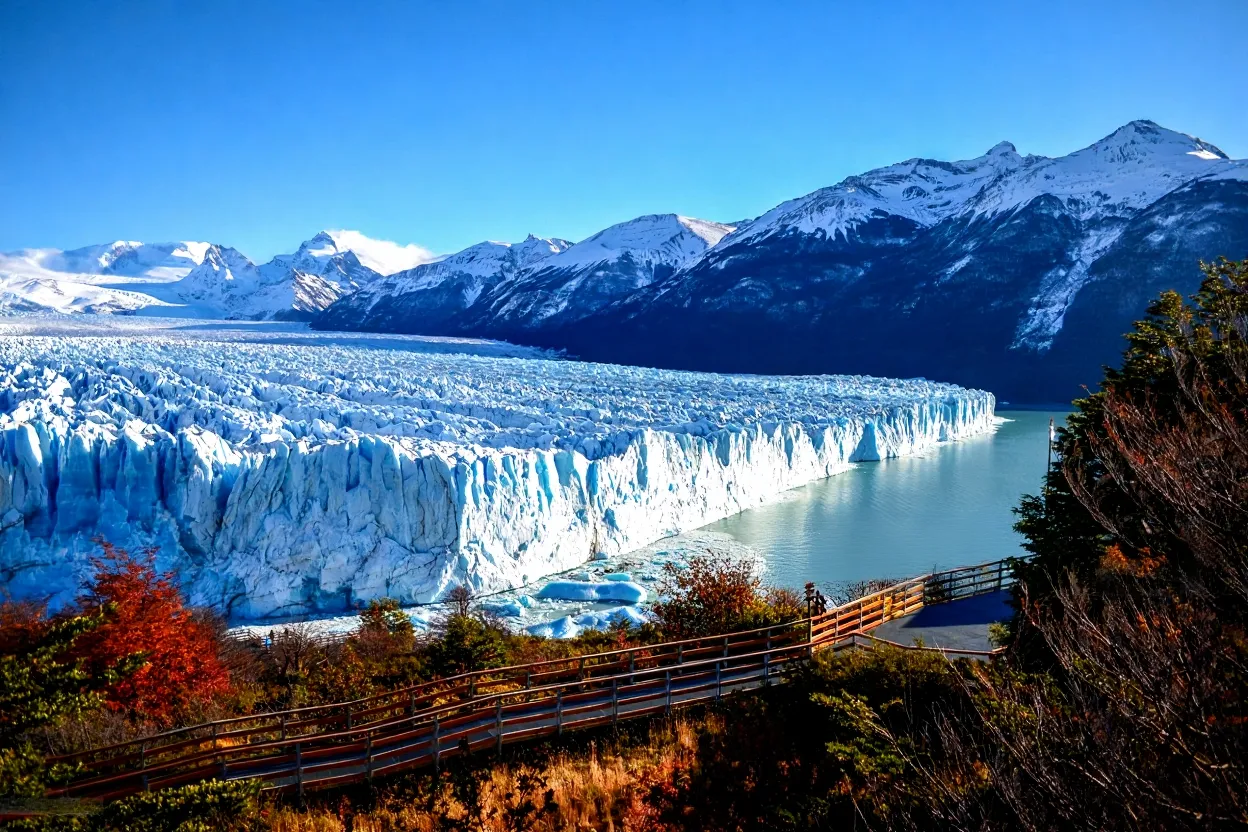
Los Glaciares National Park, located in Argentina’s Santa Cruz Province, is a UNESCO World Heritage Site renowned for its spectacular glaciers, including the world-famous Perito Moreno Glacier.
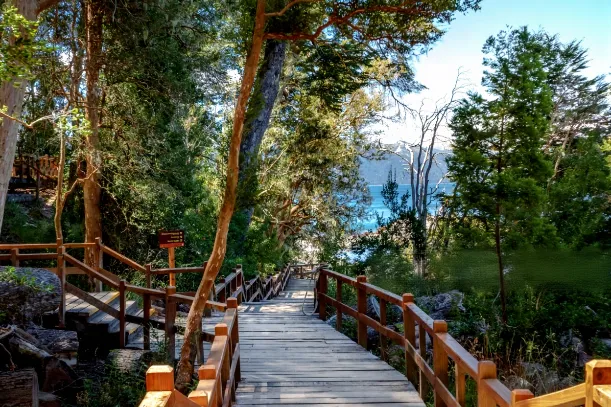
Myrtle Forest (Bosque de Arrayanes) in Argentina is a magical, centuries-old woodland located on the Quetrihué Peninsula near Villa La Angostura in Nahuel Huapi National Park. Known for its rare myrtle trees with cinnamo...
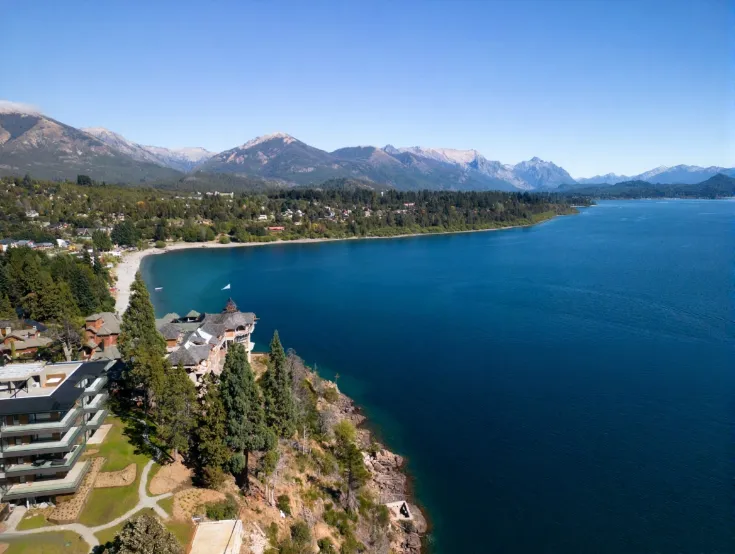
Nahuel Huapi Lake, located in the heart of Argentine Patagonia, is a vast glacial lake known for its crystal-clear waters, dramatic mountain backdrops, and vibrant blue hues. Spanning over 500 square kilometers, it lies within ...
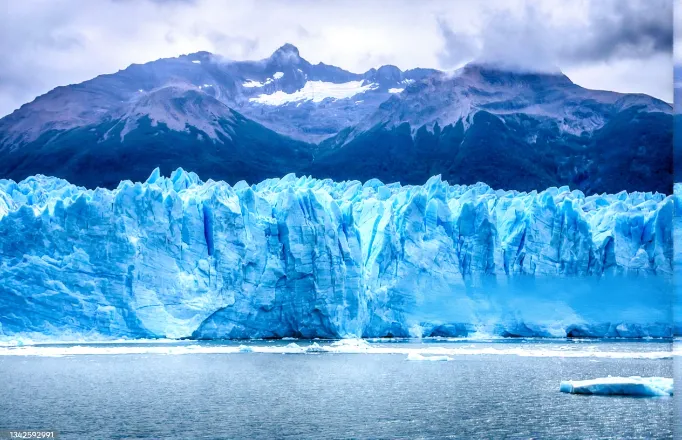
Perito Moreno Glacier, located in Los Glaciares National Park near El Calafate, is one of Argentina’s most awe-inspiring natural landmarks. Spanning 3 km wide and rising 80 metres high, it is one of the few glaciers in th...
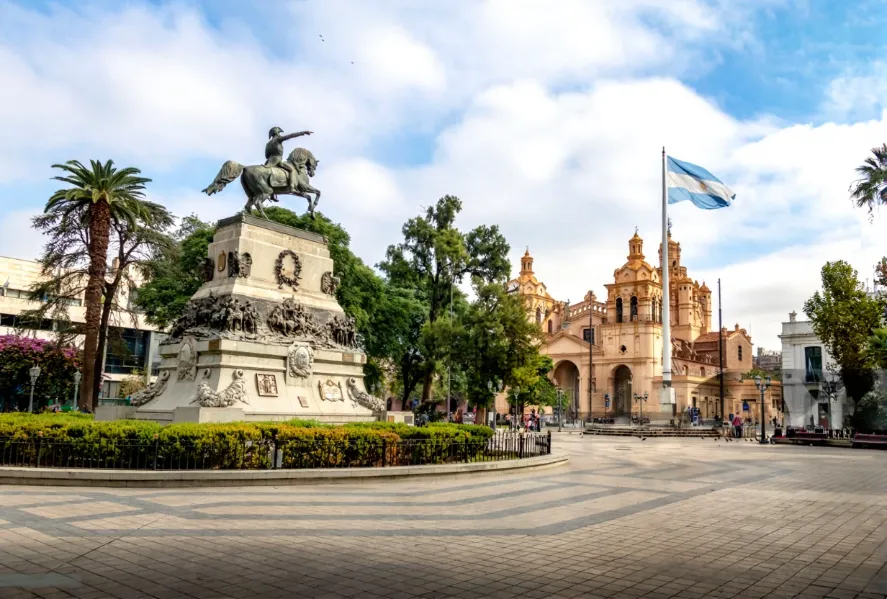
Plaza San Martín is one of Buenos Aires’ most historic and picturesque squares, located in the upscale Retiro neighbourhood. Surrounded by elegant architecture, leafy trees, and monuments, the plaza offers a peacef...
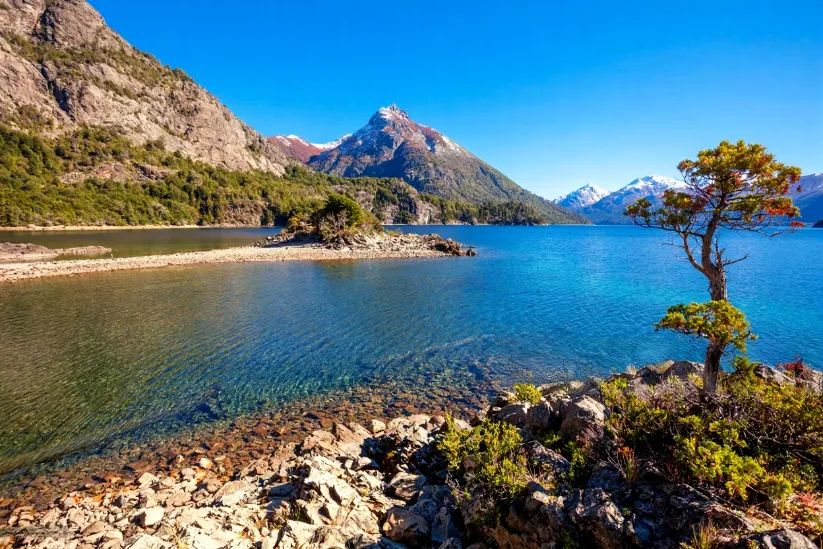
The Seven Lakes Route (Ruta de los Siete Lagos) in Argentina is one of the most scenic drives in Patagonia, connecting the towns of San Martín de los Andes and Villa La Angostura.
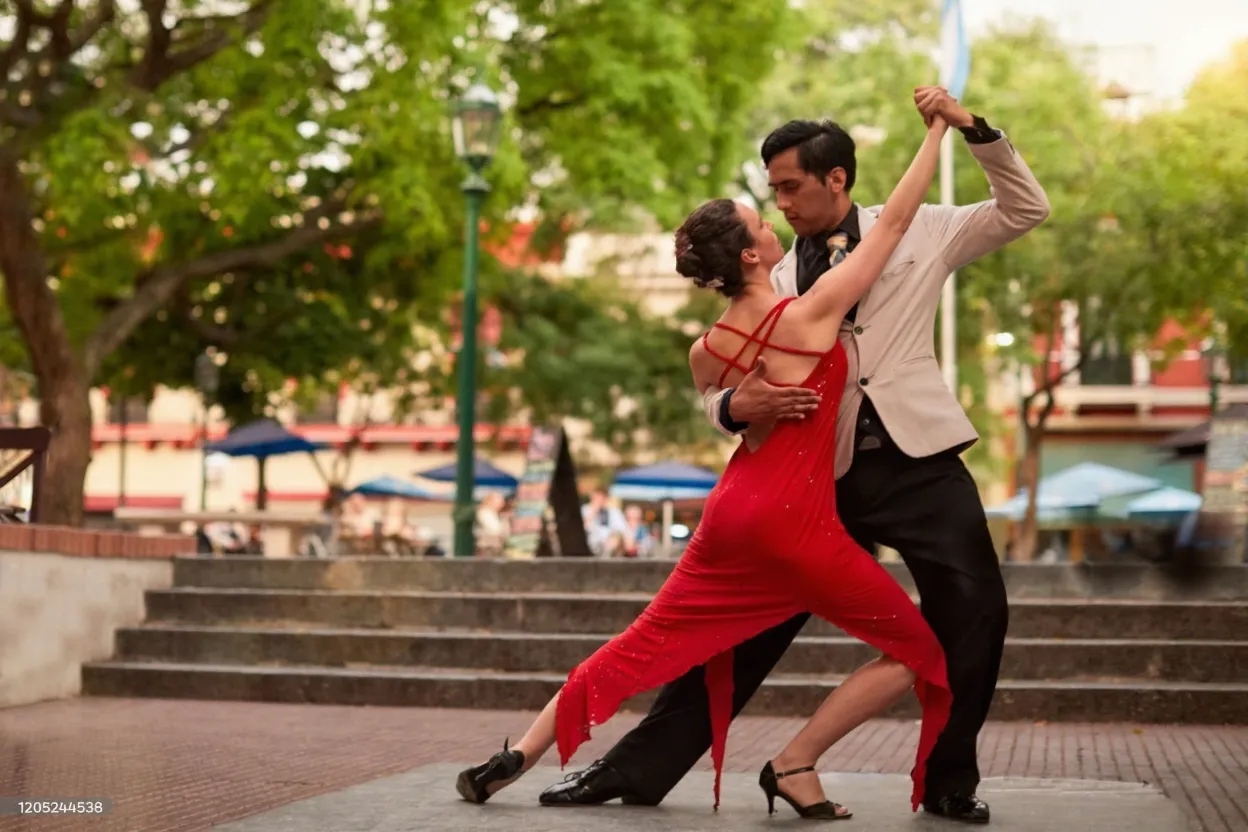
Experiencing a tango show in Argentina is a must for any visitor looking to connect with the country’s rich cultural heritage. Born in the streets of Buenos Aires, tango combines dramatic dance, soulful music, and powerfu...
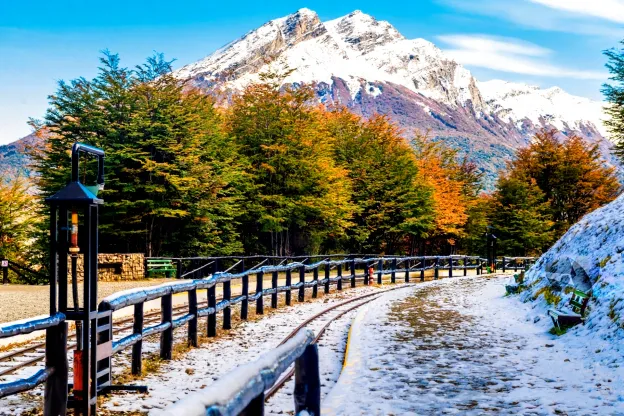
Tierra del Fuego National Park, located near Ushuaia at the southern tip of Argentina, is a stunning blend of forests, mountains, rivers, and coastal landscapes. As the only coastal national park in Argentina, it offers scenic ...
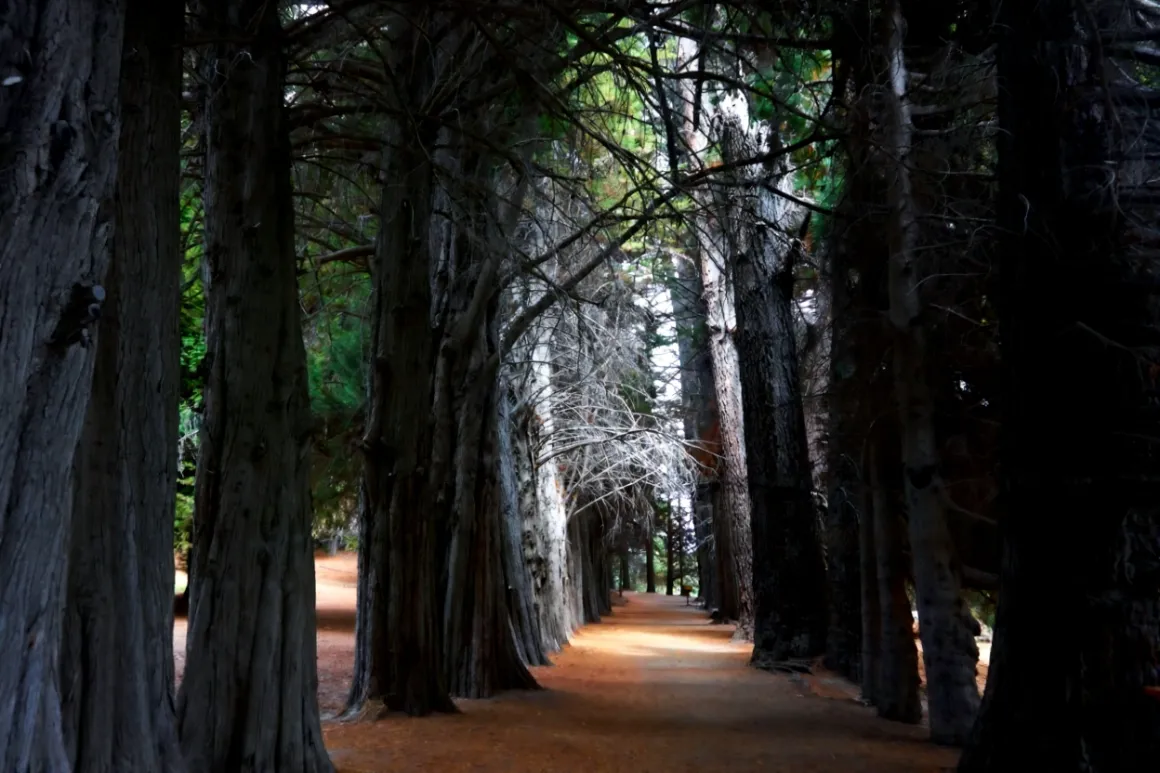
Victoria Island, located in the middle of Lake Nahuel Huapi in Argentina’s Patagonia region, is a natural paradise rich in native forest, scenic trails, and diverse wildlife.
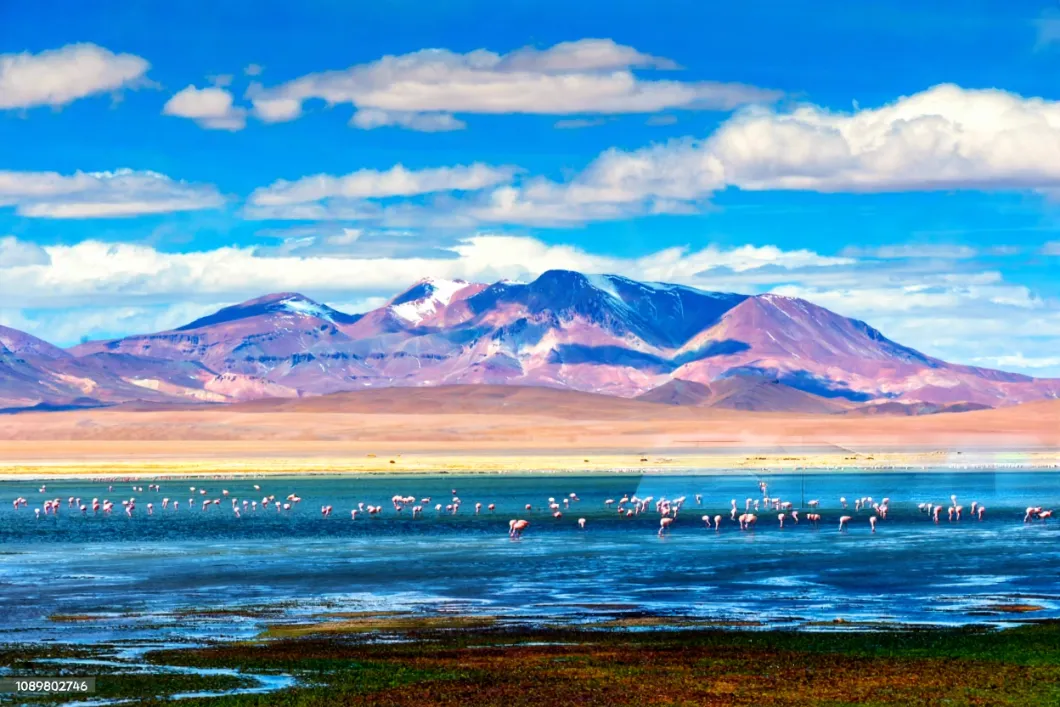
Located in the heart of the Atacama Desert, the Salar de Atacama is Chile’s largest salt flat and a natural wonder that dazzles with its stark beauty. Surrounded by volcanoes and dotted with turquoise lagoons, it’s ...

Chilean cuisine blends the best of Spanish culinary traditions with native Chilean flavours and is inspired by other European cuisines, bringing in a vibrant variety of colourful and deeply flavourful dishes. Chile food is know...

Chile travel tips often start with understanding the warmth of its people. Chile is a country populated by very affectionate individuals, where kisses, handshakes, and hugs are part of everyday interactions. Making eye contact ...

A visit to an Amazonian Kichwa community offers a deep cultural connection to the rainforest and its people. Located in the lush Ecuadorian Amazon, these communities welcome travellers to experience their traditions, from prepa...

Arajuno Bridge marks the gateway to the Ecuadorian Amazon and is the starting point for many unforgettable jungle experiences. Located near the town of Tena, this bridge spans the Arajuno River and serves as the launch site for...

Cotopaxi National Park is a stunning natural reserve in Ecuador’s Andes, home to the iconic Cotopaxi Volcano. Towering at over 5,800 metres, Cotopaxi is one of the world’s highest active volcanoes and offers a breat...

The cuisine of Ecuador is extraordinarily different—thanks largely to the country’s diverse geography and altitudes. In the mountainous regions, meats like pork, chicken, beef, and even guinea pig are staples, while...

Isla Anaconda is a hidden gem in the Ecuadorian Amazon, offering an unforgettable blend of wildlife, nature, and culture. Reached by a scenic canoe ride, this lush island is home to a diverse range of flora and fauna, including...

Located in the Andean highlands north of Quito, the Otavalo Market is one of the most famous indigenous markets in South America. Held daily—especially bustling on Saturdays—this colourful market is a paradise for s...

A trip to Ecuador isn't complete without standing at the iconic Mitad del Mundo (Middle of the World), where you can straddle both the Northern and Southern Hemispheres at once! Located just north of Quito, this famous landmark...

Keep things polite when in Ecuador—an essential point in any Ecuador travel guide. Always begin conversations, even short questions, with a courteous “good morning”, “good afternoon”, or “goo...

As with most countries, dress conservatively when visiting churches, temples, and monasteries. At the very least, be sure to cover your skin, as many places of worship in Peru will deny entry if you're showing too much. One imp...

Peruvian cuisine is only mildly spicy, despite its use of various chilli peppers, and is defined by the rich presence of four staple ingredients: corn, potatoes, quinoa, and legumes. The Spanish influence introduced rice, wheat...

Pisac Market is a vibrant showcase of Andean culture and craftsmanship, located in the heart of Peru’s Sacred Valley. Held in the town of Pisac, this colourful market is a favourite stop for travellers seeking authentic P...

We’re nominated for the British Travel Awards. If you’ve enjoyed our journeys, please vote for us.
Vote Now