Alaska Etiquette
Learning local etiquette will make a trip to Alaska a rewarding experience that respects local communities, native traditions, and fragile wilderness ecosystems.
Introduction
Alaska is a large state in the north that places a strong value on community and is rich in indigenous heritage and culture and environmental responsibility.
Why Choose the Destination?
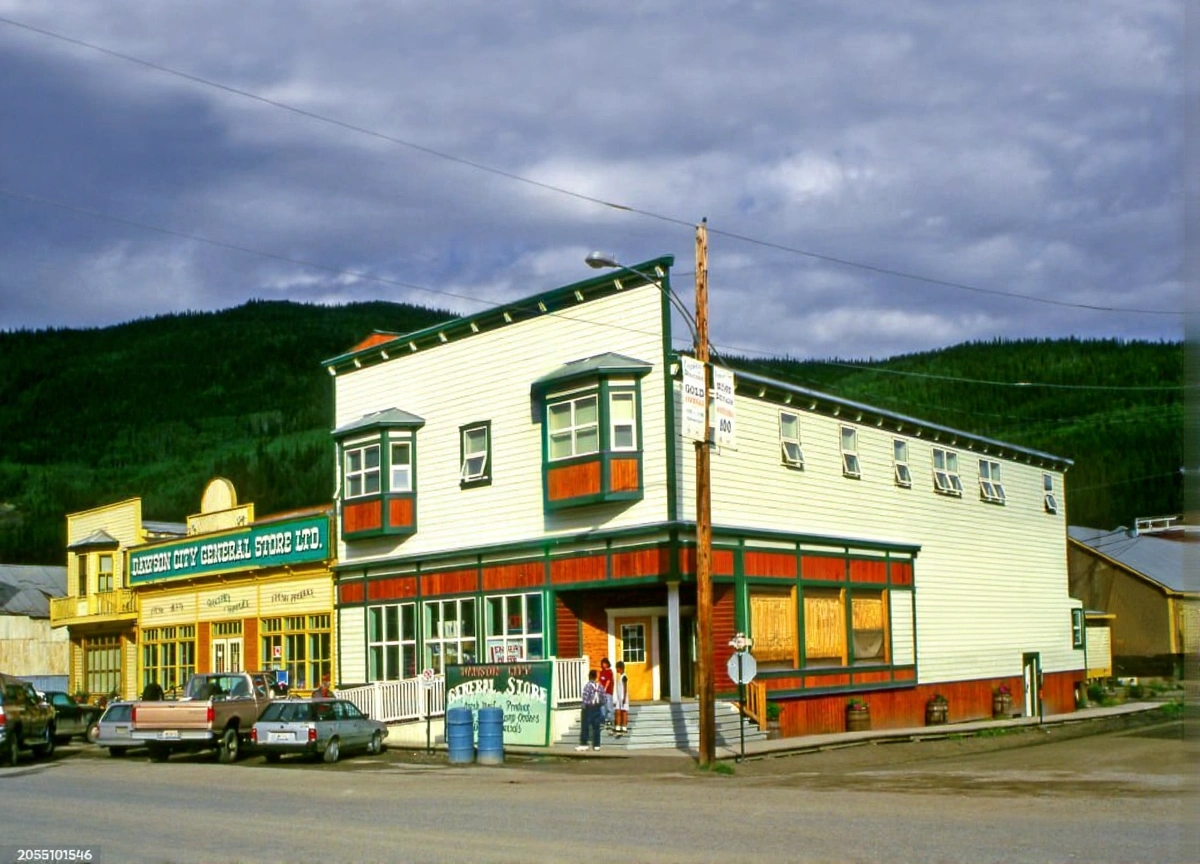
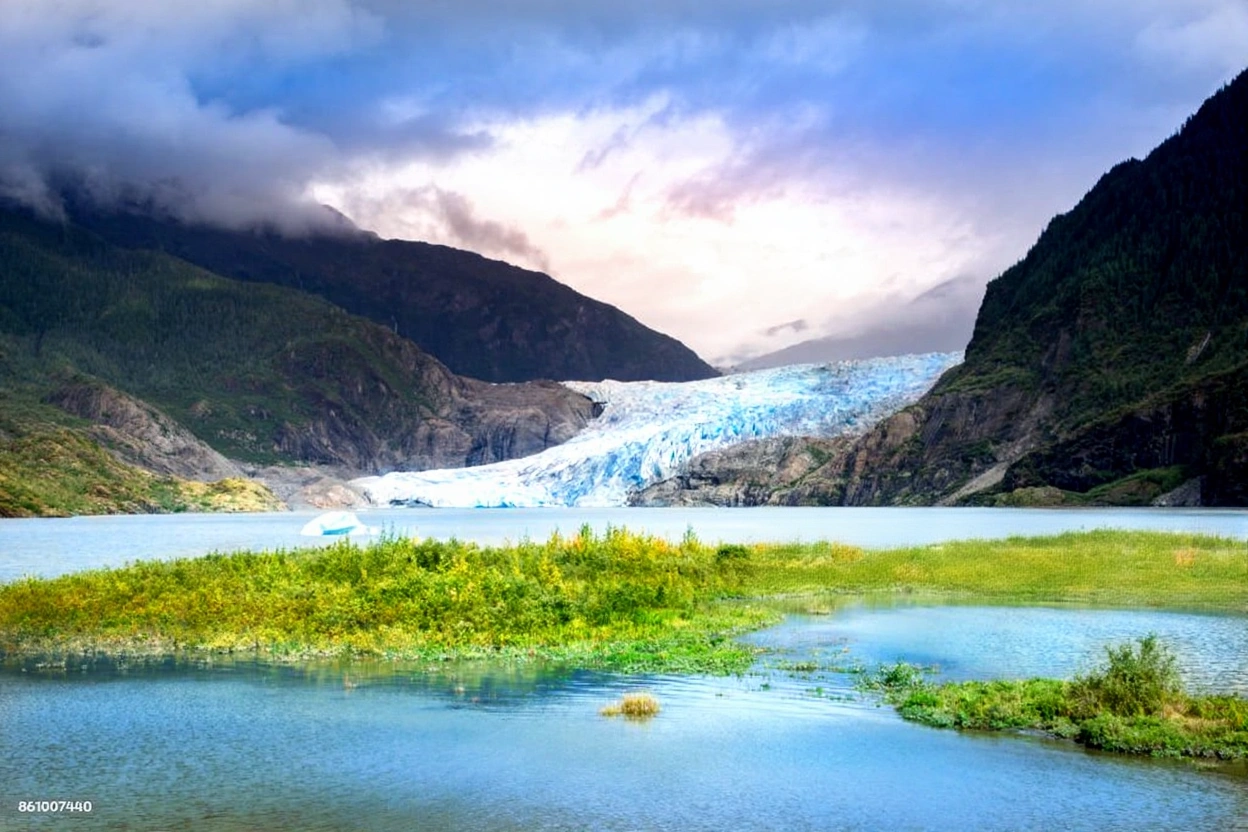
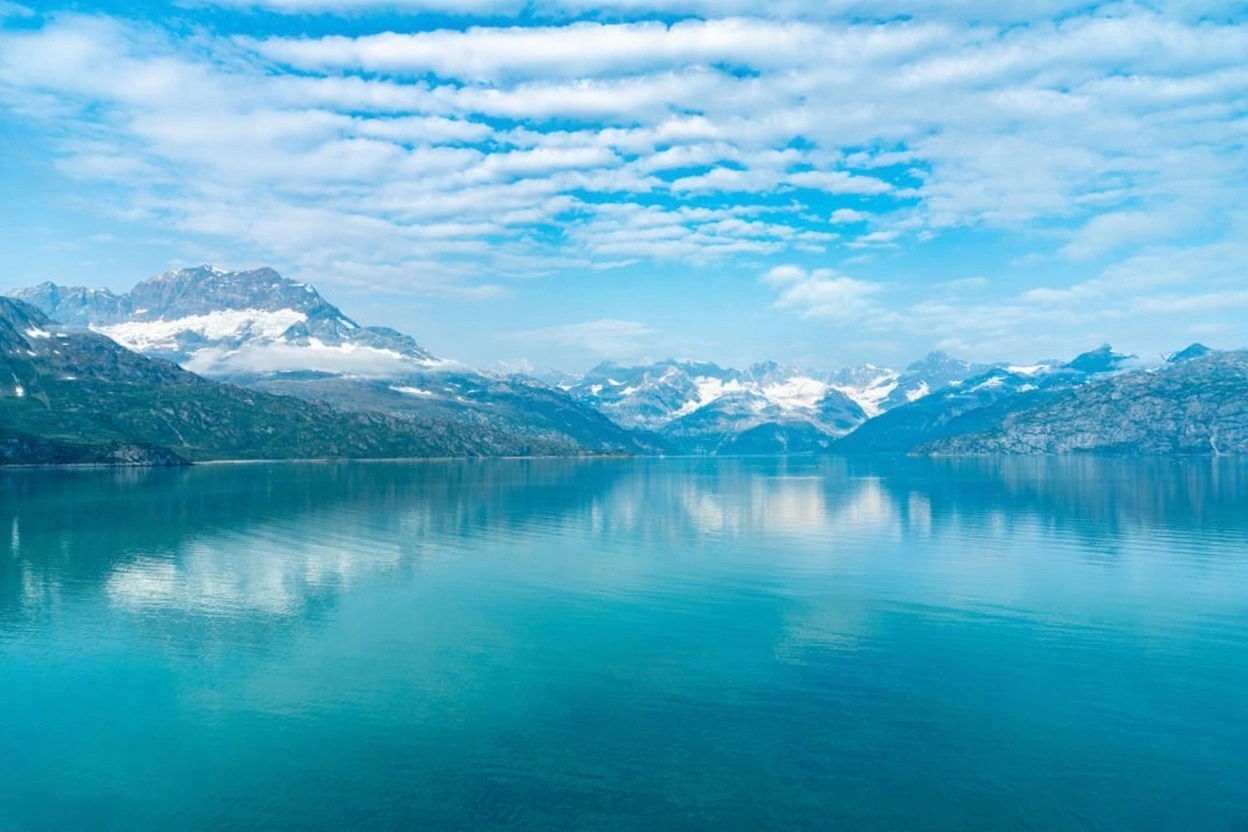
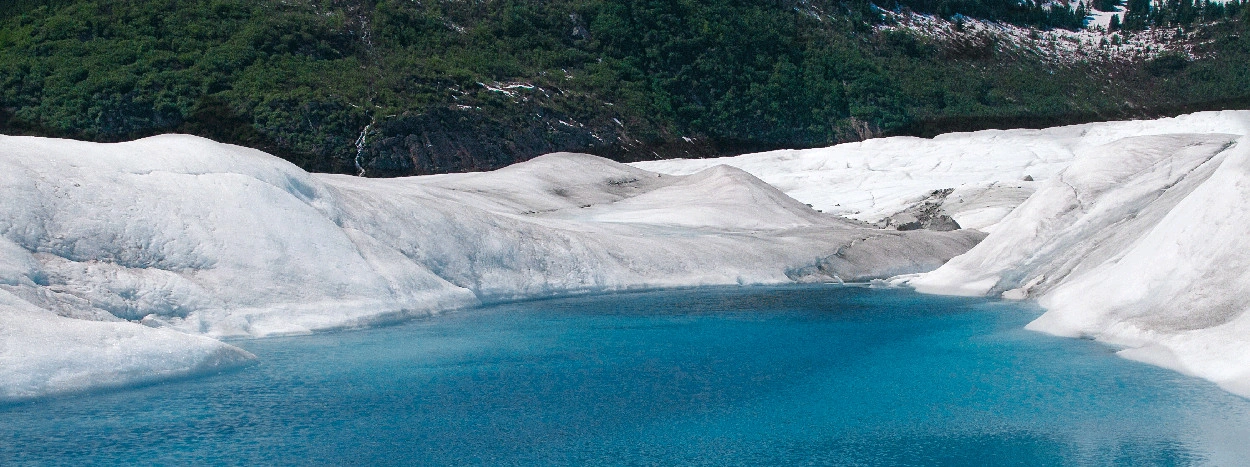
Visitors to Alaska can experience the real hospitality of the frontier, experience native traditions of art, and see the beautiful natural landscapes that have been nurtured by generations of local residents.
When to visit?
The best time to go is during the summer (May to September). The days are long, the cultural heritage centres are open, and the weather is just right for travelling outdoors.
Getting there
You can reach us via major airports in Anchorage or Fairbanks, beautiful cruise ships travelling the Inside Passage, or the Alaska Marine Highway ferry system.
Climate & Weather
Summer temperatures are cool to pleasantly mild (10 to 20 degrees C). Things can change in a second, so it’s important to wear versatile layers.
Accommodations
Where to stay: Accommodation options range from historic wilderness lodges and cosy bed and breakfast inns to eco-resorts and cruise ship staterooms along the coast.
Food & Local Food
Savour sustainable Alaskan seafood, jams brewed with wild berries, sourdough bread, and local craft brews. A tip is expected in a restaurant (15-20%)
Culture and local customs
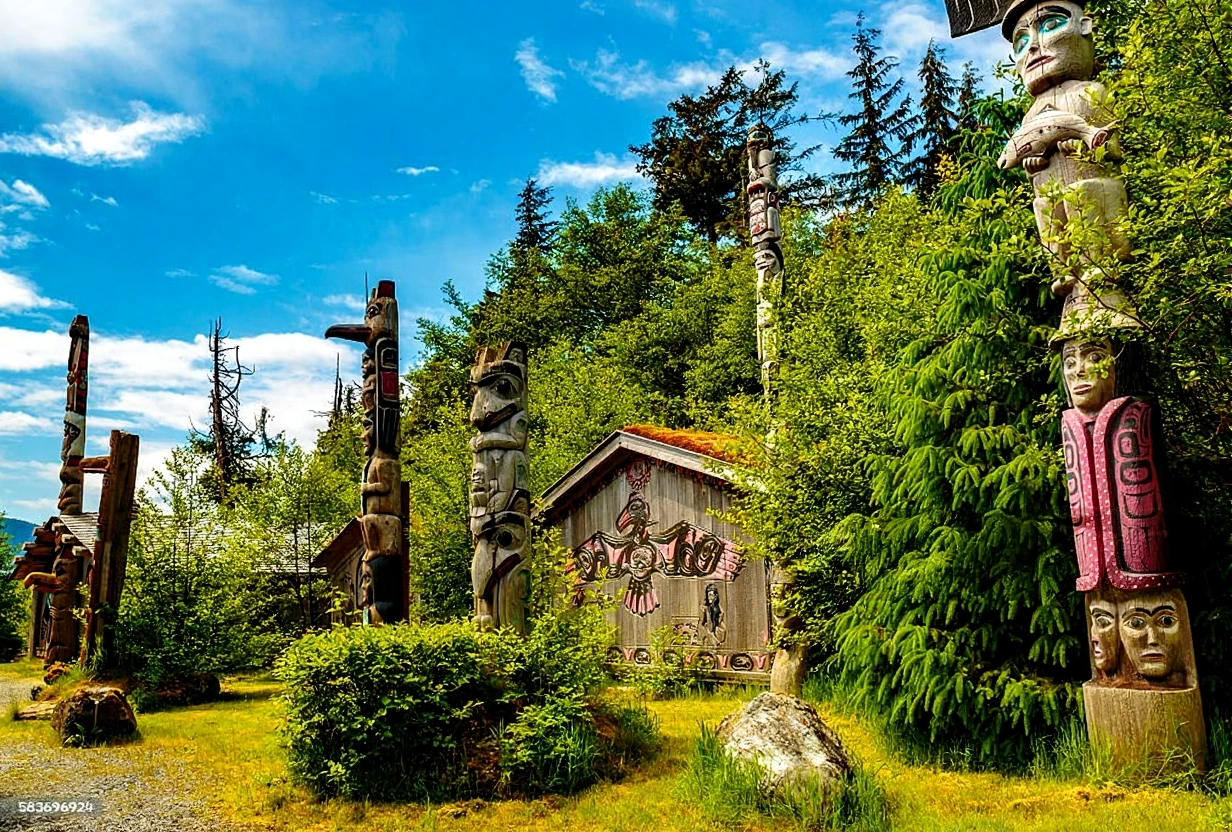
Respect Native Traditions: Request permission before photographing Indigenous art or community grounds. Buy authentic local crafts, marked with the Silver Hand. Friendly Community Spirit: Polite, casual greetings, helpfulness, and a relaxed, unhurried approach to everyday interactions are trademarks of Alaskans.
Travel Guidance
Leave No Trace: Pack in, pack out. Keep on the trail. Respect the use of natural areas by others. Support Local Shops: When you’re in town, shop from local guides, family stores, and native artisans. Safety & practical information – Don’t feed or approach wild animals. Stay at least 100 yards from bears and at least 25 yards from moose and other animals.
Packing List
Please bring comfortable casual clothing, walking shoes, waterproof outer jackets, insect repellent, and reusable water bottles to reduce plastic waste.
Recommended itineraries
Day 1: Visit local museums and heritage centres in Anchorage to learn about the native cultures.
Day 2: Nature walk on protected park trails with a naturalist; practise leave no trace principles.
Day 3: Explore seaside fishing villages, visit the local markets, and eat at community restaurants.
How should travellers dress in Alaska?
Casual functional clothes are ok everywhere. For walks in the town and for expeditions in the open air, warm clothing in layers and waterproof shoes are needed.
Is tipping expected in Alaska?
Yes, the standard US tipping guidelines apply. In restaurants, for boat captains and tour guides, it is customary to leave 15-20 per cent for service.
How close can tourists get to wildlife?
Respect always keeps its distance. Keep your distance from wild animals and use a zoom lens on your camera or binoculars.
Find out how to behave in Alaska to make your trip go smoothly and respectfully. Skanda Holidays – Plan Your Northern Experience Today!
 Alaska