Hubbard Glacier
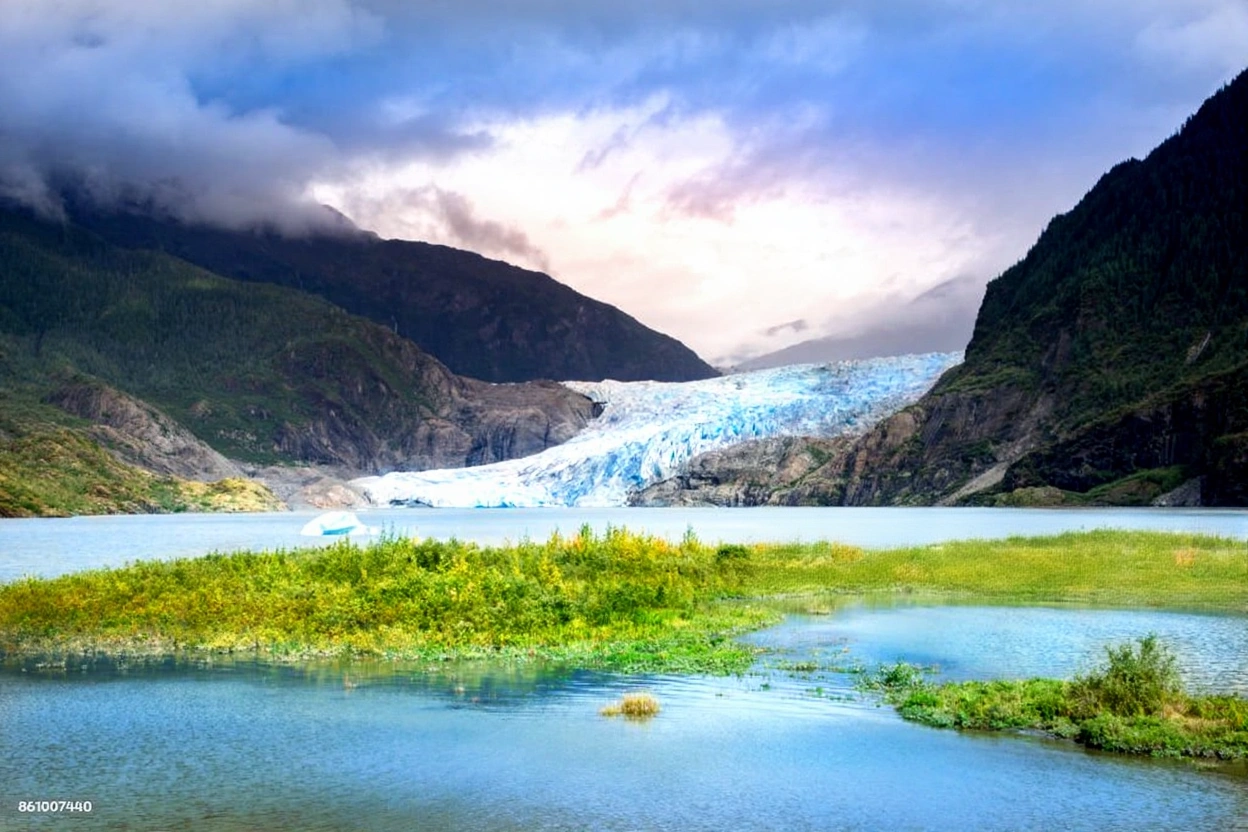
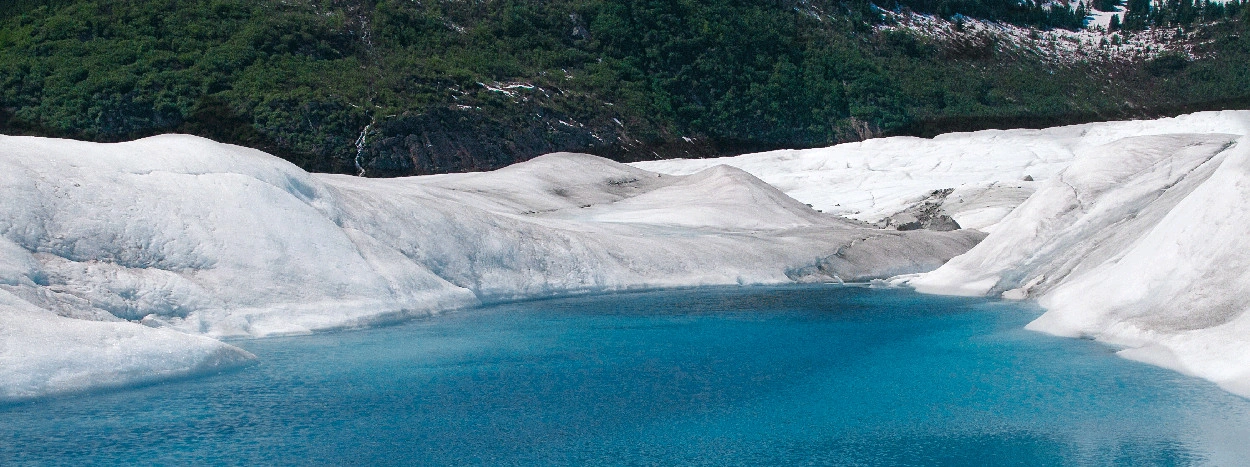
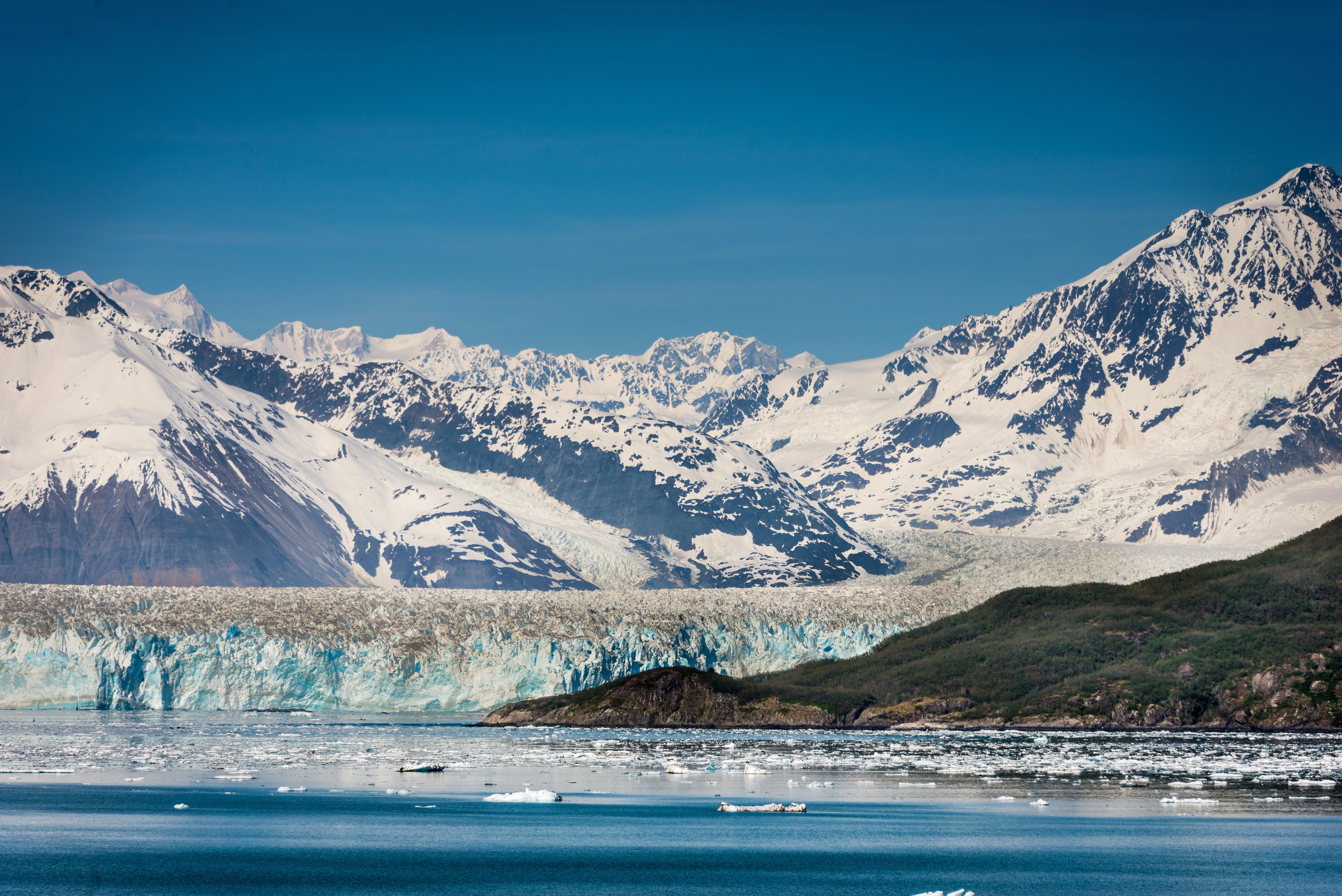
Hubbard Glacier is North America’s largest tidewater glacier. It is 76 miles long and 7 miles wide where it meets Disenchantment Bay. This giant wall of blue ice is one of the most spectacular natural encounters in North America.
Introduction
This active glacier is located near Yakutat in eastern Alaska and is famous for its 30-storey-high ice face and dramatic daily ice calving.
Why Travel to the Destination?
Hubbard Glacier is growing and moving toward the sea, unlike most glaciers around the world that are shrinking. It is unforgettable to watch huge blue ice blocks fall into the ocean waters.
When to Visit?
The prime season is from May to September. Milder weather, active wildlife, long daylight hours, and clearer sailing routes through Disenchantment Bay are all part of the summer months.
How to Get There?
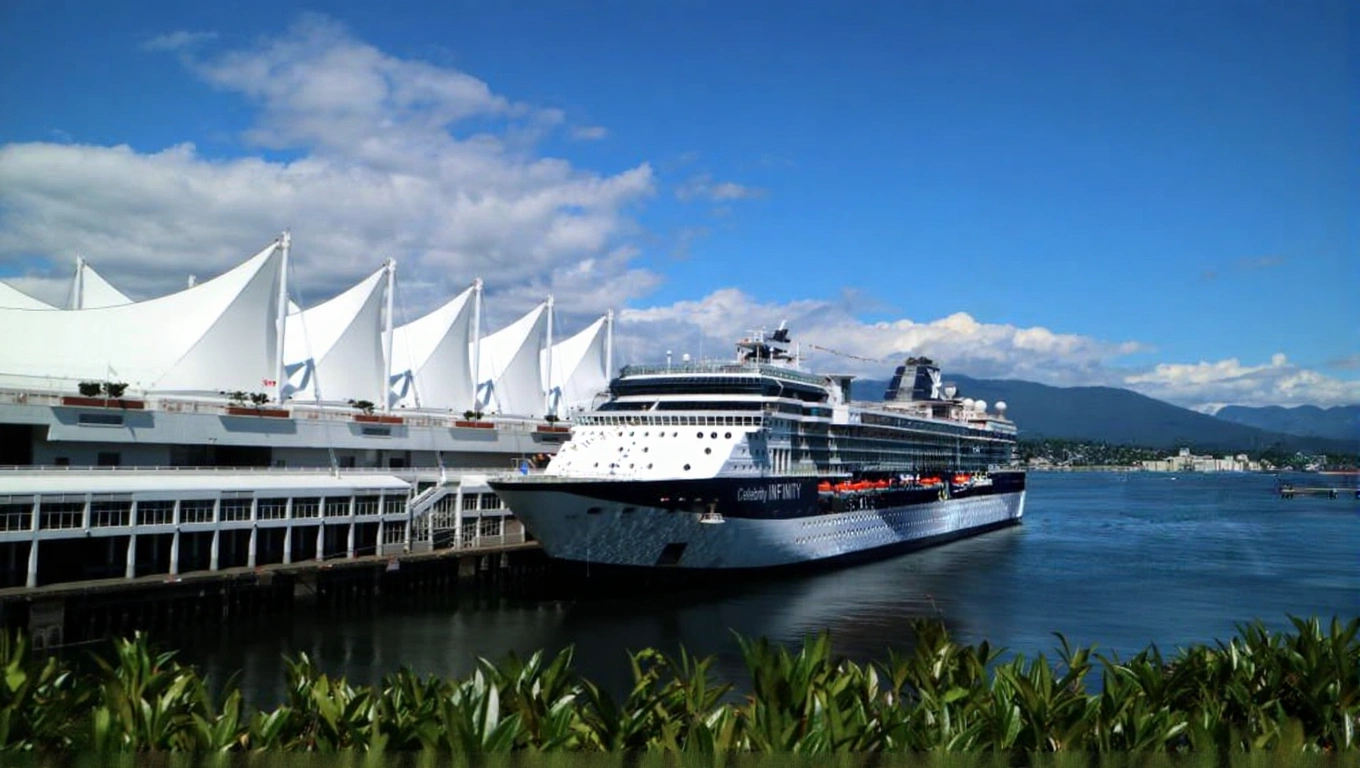
The glacier is in a remote coastal wilderness that has no road access. Tourists arrive by ocean-going cruise ships, expedition ships, or small catamaran water tours out of Yakutat.
Climate and weather
Cool, misty weather near the ice face is expected. Summer temperatures in the bay hover between 7°C and 15°C (45°F and 60°F) and are often accompanied by ocean breezes and sudden drops in air temperature near the glacier wall.
Where to Stay?
Most visitors stay in comfortable staterooms on their cruise ships. For those seeking land-based adventures, nearby Yakutat has wilderness lodges.
Food & Local Food
Savour fresh seafood meals on your vessel, such as wild Alaskan salmon, king crab legs, and warm seafood chowder, perfect for chilly outdoor decks.
Culture and local traditions
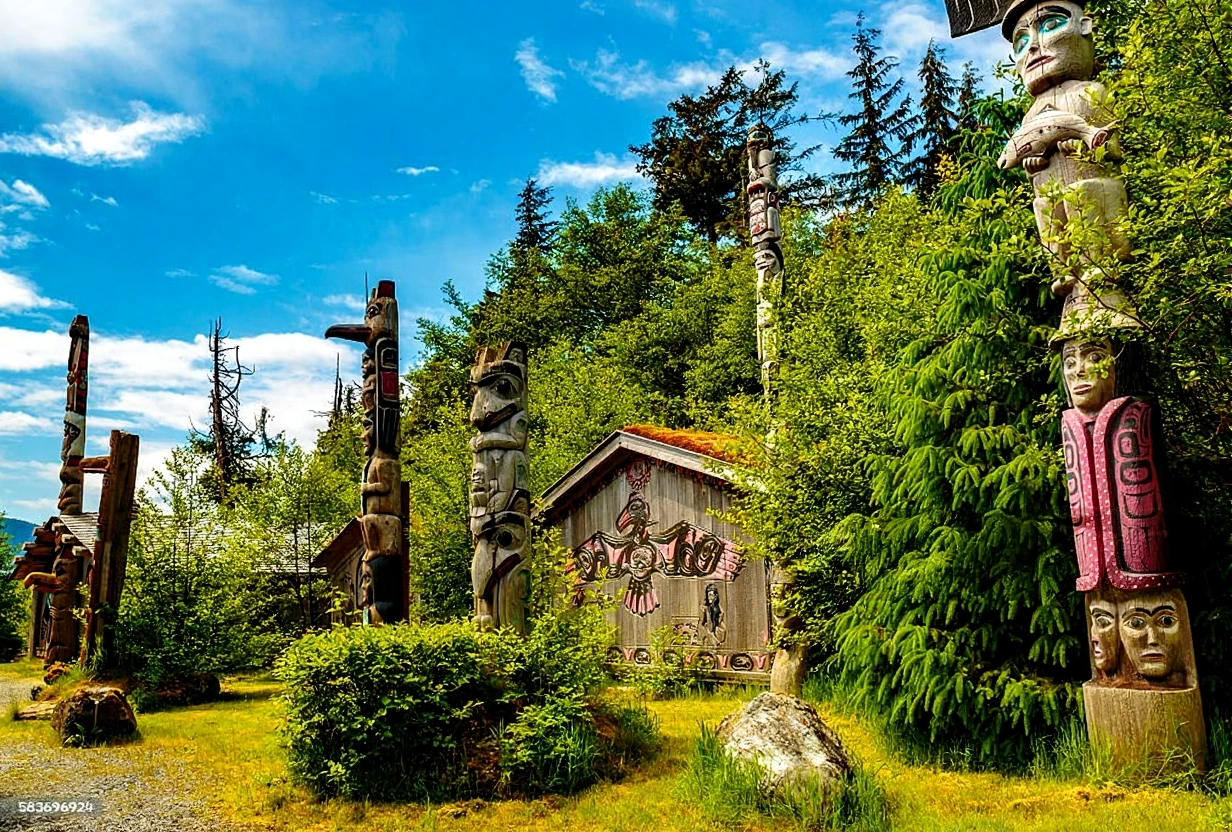
Learn about the native Tlingit people who have inhabited the Yakutat Bay area for centuries and pay your respects to the delicate marine environment.
Travel Tips
• Arrive Early on Deck: Secure a good spot on the outdoor deck early in the morning before the ship arrives in the bay.
• Listen to the Onboard Naturalists: Wildlife and geological features will be identified with commentary over ship speakers.
Practical and safety information
Falling blocks of ice can produce sudden large waves, and ships keep a safe distance from the face of the ice. Obey all instructions from ship safety crew when on open observation decks.
What to Pack?
Pack warm layers, a waterproof windcheater, fleece jackets, gloves, a knit hat, high-powered binoculars for wildlife, and a camera with a zoom lens.
Recommended Itineraries
• Morning: As you sail into Yakutat Bay and Disenchantment Bay, watch for sea otters and harbour seals snoozing on floating icebergs.
• Midday: Spend two to three hours in front of the massive 400-foot ice wall to watch and hear active ice calving.
• Afternoon: On the cruise, head back out toward the open Gulf waters, watching for breaching whales.
What’s special about Hubbard Glacier?
It is the largest tidewater glacier in North America and one of the few remaining in the world that is actively advancing instead of retreating.
Can tourists walk on Hubbard Glacier?
No. Visitors safely view the glacier from the decks of cruise ships or from small boat tours. The water is deep, and the ice cliffs at the face are unstable.
What wildlife can you see near the glacier?
Harbour seals, sea otters, humpback whales, sea lions, and bald eagles frequent the area and are found in the icy waters of Disenchantment Bay.
Hubbard Glacier is a mind-blowing experience of raw icy power and coastal wilderness. Plan your trip today with Skanda Holidays for an unforgettable northern journey!
 Alaska