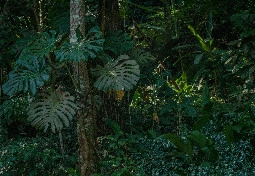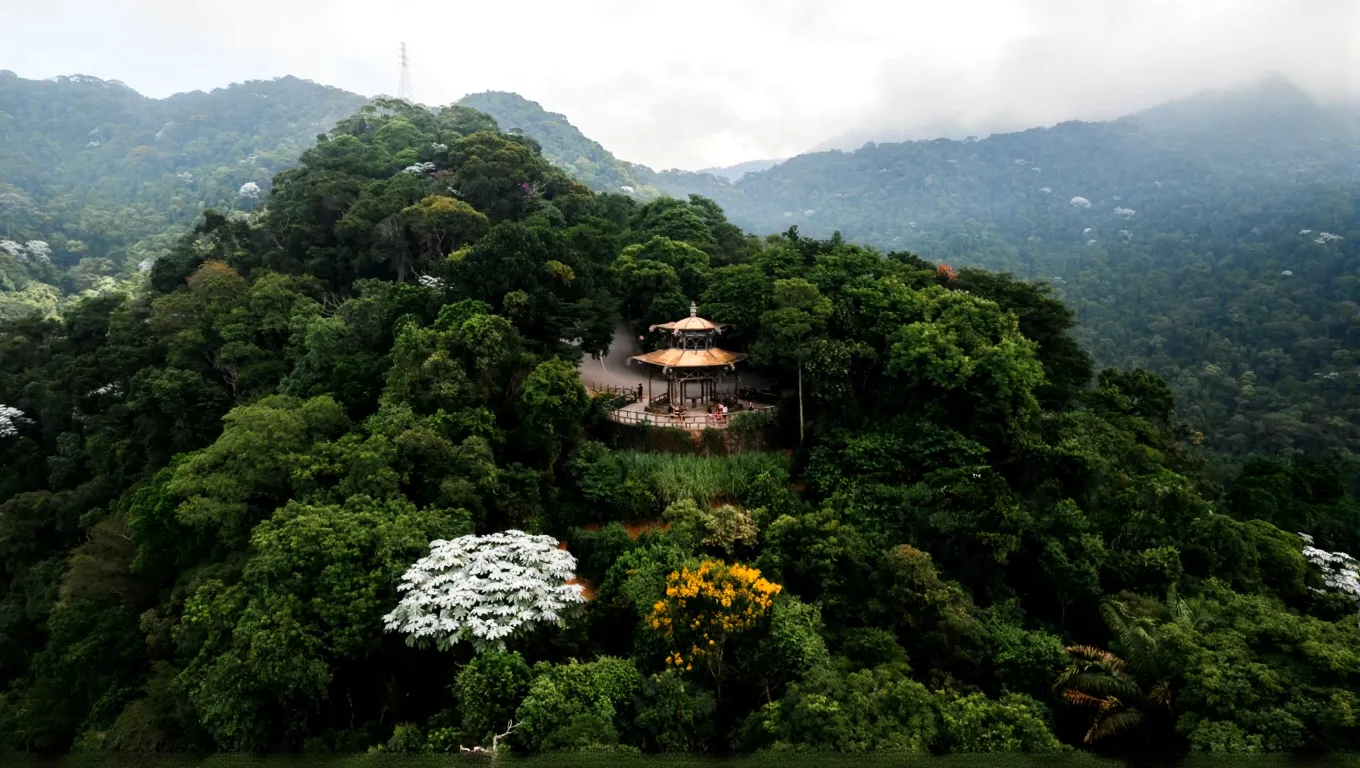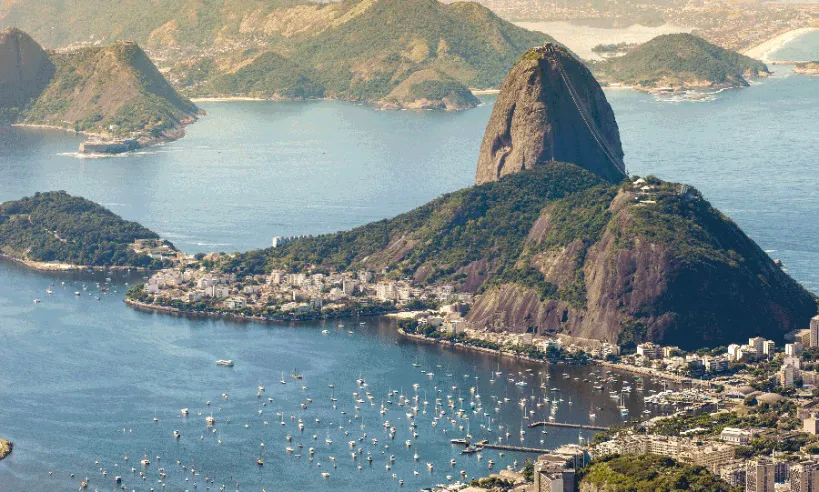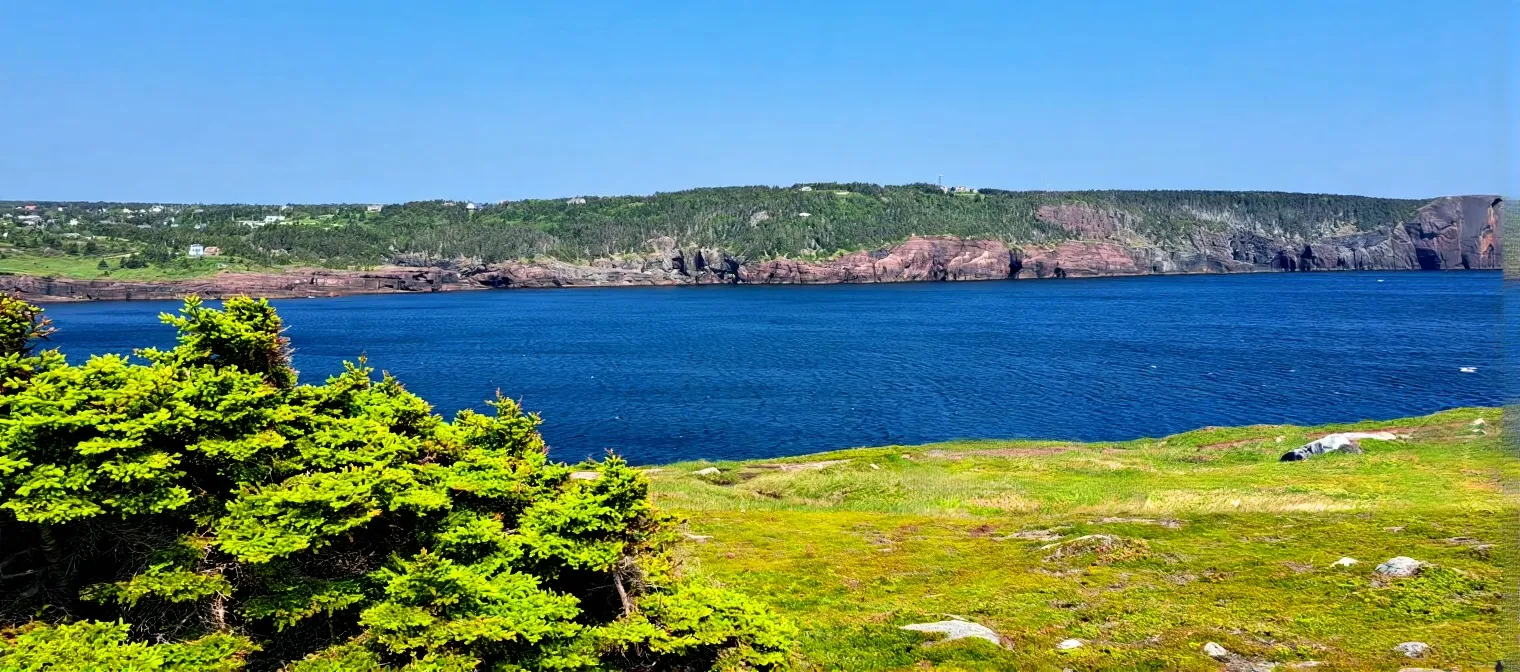
The Brazilian Amazon Rainforest, a vast emerald kingdom covering millions of square kilometres in northern South America, is the world’s largest and most biologically diverse wilderness. The world's remaining tropical rainforests are mostly located within the vast jungle ecosystem centred on the former rubber-boom capital of Manaus and reached by the powerful Amazon River. It is a vital living network of towering canopy trees, winding tributary rivers and meandering waterways supporting an unfathomable wealth of exotic flora and fauna.
The Amazon is a place where people are enveloped by a world of sensations that cannot be found anywhere else on earth. Whether you’re cruising the narrow flooded Igapó forests in motorised canoes or listening to the echoing calls of howler monkeys and macaws at dawn, the jungle is an awesome link to nature’s primal heart.
Top Attractions and Places to Visit
Encontro das Águas (The Meeting of the Waters): A beautiful natural phenomenon just outside of Manaus where the dark tannin-filled waters of the Rio Negro flow parallel to the sandy, light-coloured Amazon River (Rio Solimões) for miles without mixing.
Anavilhanas National Park: One of the world’s largest freshwater archipelagos, a labyrinth of protected river islands, flooded forests and pristine wildlife habitats.
Jungle Lodge Expeditions: Eco-lodges located within the rainforest offering guided jungle treks, fishing for piranhas, spotting night caimans, and viewing platforms situated in the canopy tower.
Visits to Indigenous Communities: Cultural exchanges with local ribeirinho (riverbank) and indigenous communities to learn about traditional forest survival, medicinal plants and sustainable lifestyles.
Visitor Information, How to Get There and When to Go
How to get there: The primary way to get here is to fly into Manaus’ Eduardo Gomes International Airport (MAO) and then take a riverboat or speedboat to the remote jungle lodges.
Best Time to Go: Visit during the drier season (July-December) for lower water levels to hike forest trails and spot land wildlife, and visit during the wetter season (January-June) for higher water levels to canoe flooded jungle trails.
Visitor tips: The humid tropical climate: pack light and airy long-sleeved clothes, high DEET content insect repellent, strong waterproof walking boots, and a good rain poncho.
Local Attractions and Destinations
Teatro Amazonas (Manaus Opera House): An amazing 19th-century Italian Renaissance-style opera house, a reflection of the opulent heritage of the rubber boom in the middle of the jungle.
Presidente Figueiredo: A beautiful area north of Manaus known for its amazing waterfalls, crystal-clear swimming caves, and beautiful hiking trails.
Rio Negro River Beaches: Beaches of soft white sand, like Praia da Ponta Negra, that appear during the low water seasons, providing cool places to swim in the river.
Good To Know Before You Go
Is it safe to swim in the Amazon River?
There are caimans, piranhas, and electric eels in some parts of the river, so you can only swim in certain safe areas near eco-lodges or on certain sandbanks.
Do I need vaccinations before visiting the Amazon?
When people travel to remote parts of the Amazon, they are often advised or required to get vaccinated against yellow fever and to take malaria prophylaxis medication.
What kind of wildlife can I realistically expect to see?
Jaguars and tapirs are shy and seldom seen, but visitors often see sloths, pink river dolphins, squirrel monkeys, toucans, macaws and several species of caiman.
Discover the world’s greatest rainforest, its incredible biodiversity, its meandering jungle rivers and its pristine majesty. And with Skanda Holidays, you can create your own Brazilian eco-adventure today!