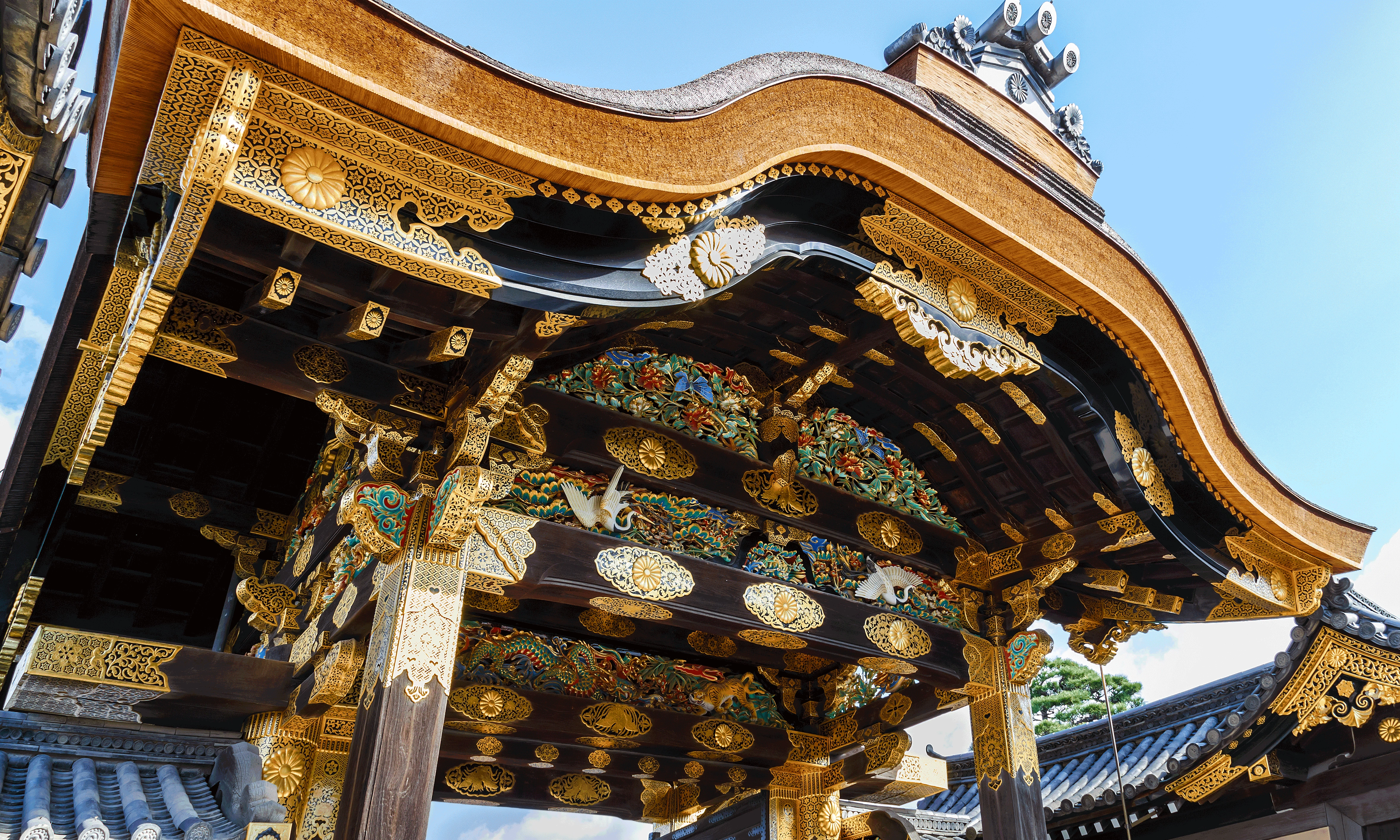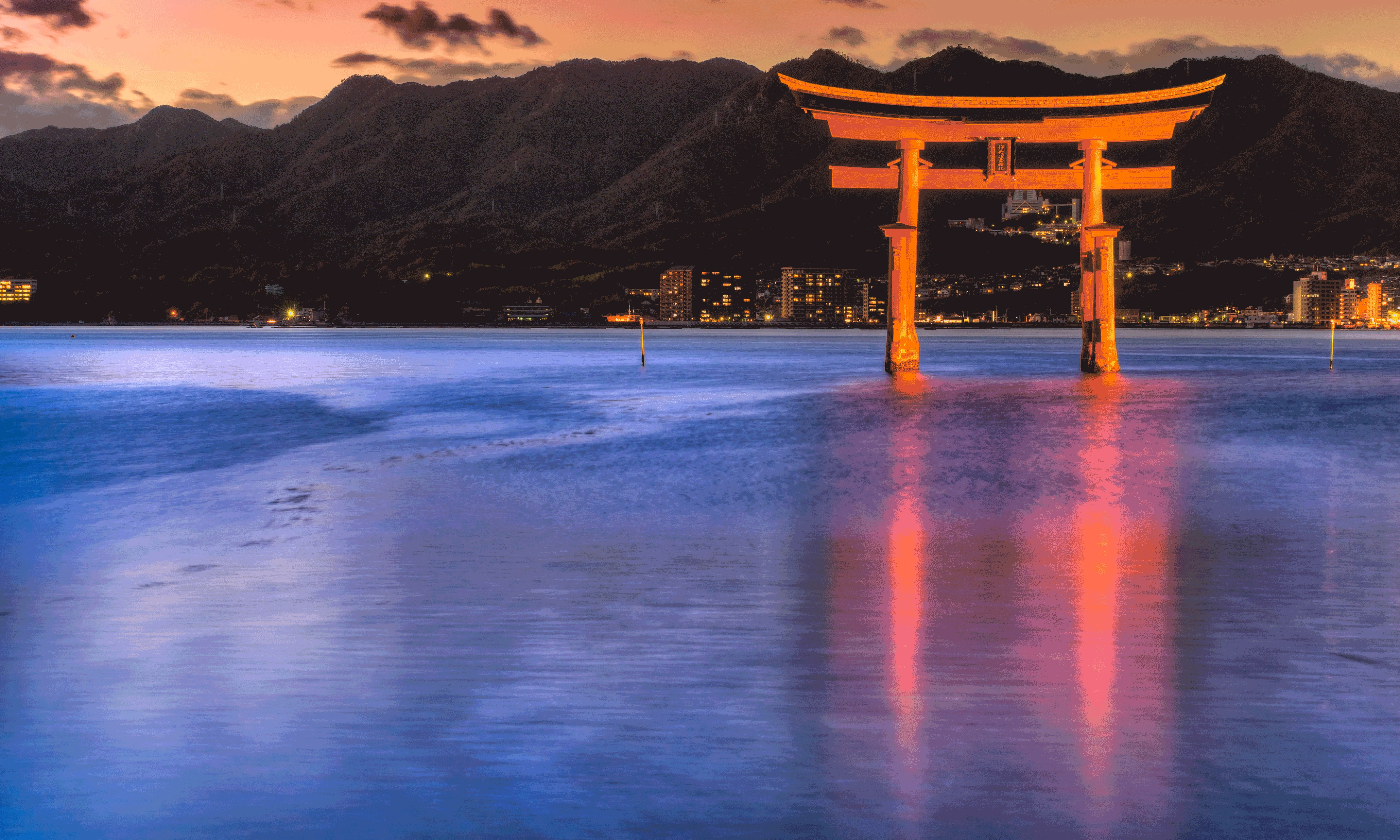
Kyoto, Japan's cultural capital, is famous for its thousands of classical Zen temples, Shinto shrines, traditional wooden houses and peaceful gardens.
The ancient imperial capital in the Kansai region of central Honshu plunges travellers into the heart of ancient Japanese heritage, tea ceremonies and geisha tradition.
Famous Places and Landmarks
Fushimi Inari Taisha: A famous Shinto shrine famous for its trails up Mount Inari through thousands of bright vermillion torii gates.
Kinkaku-ji (The Golden Pavilion) – Beautiful zen temple. The top two floors are entirely covered in gold leaf and glisten on the still mirror pond.
Arashiyama Bamboo Grove: A dramatic forest path through nature, with gentle breezes swaying the tall green bamboo stalks around historic riverside temples.
Kiyomizu-dera Temple – a UNESCO World Heritage site with a giant wooden stage built without nails and sweeping views of the city.
Gion District – historic entertainment district with preserved wooden machiya townhomes, tea houses and lantern-lit stone streets
Getting there and when to go
Less than 2 1/2 hours by Tokaido Shinkansen Bullet Train from Tokyo Station to Kyoto Station.
Best time to visit: Spring (March-May) for the cherry blossoms, Autumn (October-November) for the spectacular maple leaves on the temple grounds.
Visitor tips: To avoid the crowds, go in the early hours of the day when the more popular shrines open, around sunrise. Local buses are available with IC cards. Easy to remove.
Local Attractions
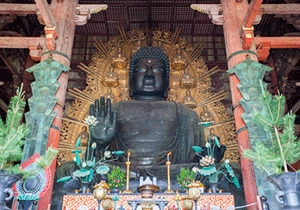
Nara Park: 45 minutes south, historic city with sika deer roaming free and giant Buddha statue at Todai-ji Temple.
Uji: A tranquil riverside town south of Kyoto, famous worldwide for its traditional matcha tea and the historic Byodoin Temple.
Osaka (30 min. by train) is a food lover’s paradise with lively street life, a castle and night districts full of neon lights.
Kyoto sights: Good to know before you go?
Top attractions: Fushimi Inari Shrine, Golden Pavilion (Kinkaku-ji), Arashiyama Bamboo Grove, Kiyomizu-dera Temple, and historic Gion district.
How long should you spend in Kyoto?
Three or four days will give you time to see the central temples and meander through bamboo groves, plus a day trip to nearby Nara.
How do tourists move around the city?
Kyoto boasts an excellent public transportation network, including city buses, subway lines and local trains, to get around the main temples and historic areas.
Kyoto is a trip you’ll never forget with its ancient traditions, zen gardens and historic buildings. Plan Your Trip for Your Japan Adventure. Be Inspired with Skanda Holidays Now!