Snorkelling the Great Barrier Reef: Choose Your Perfect Reef Tour
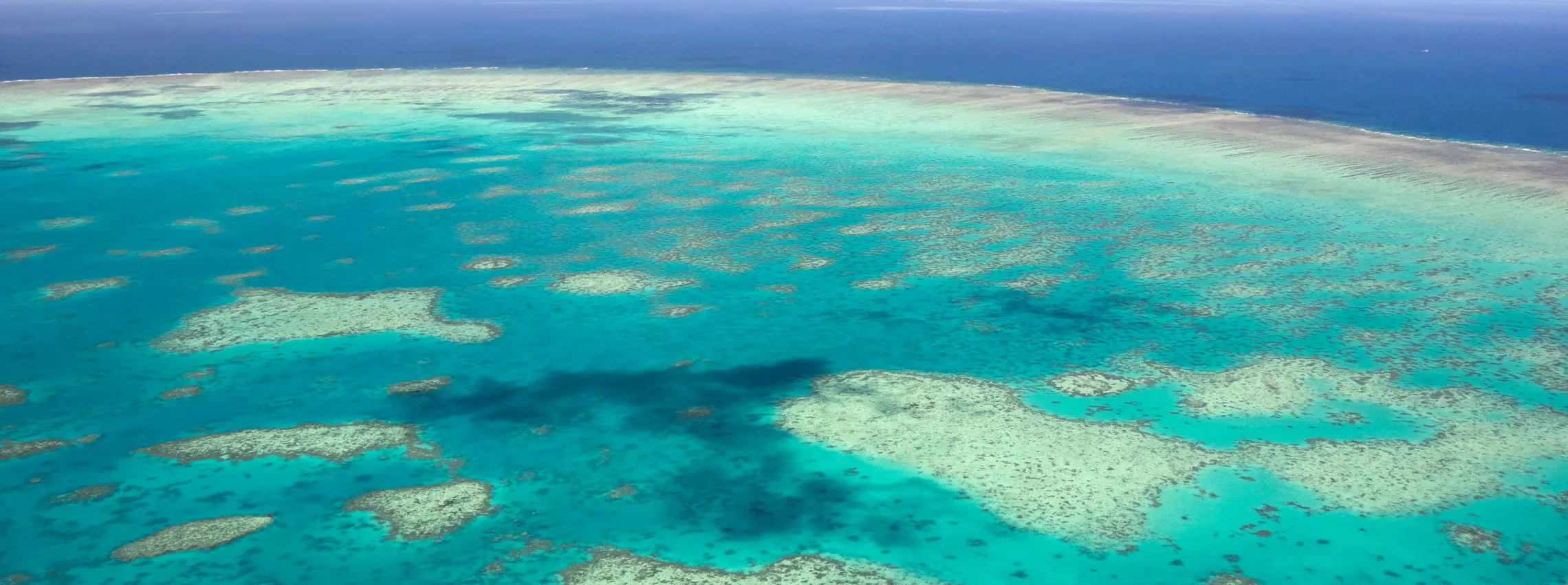
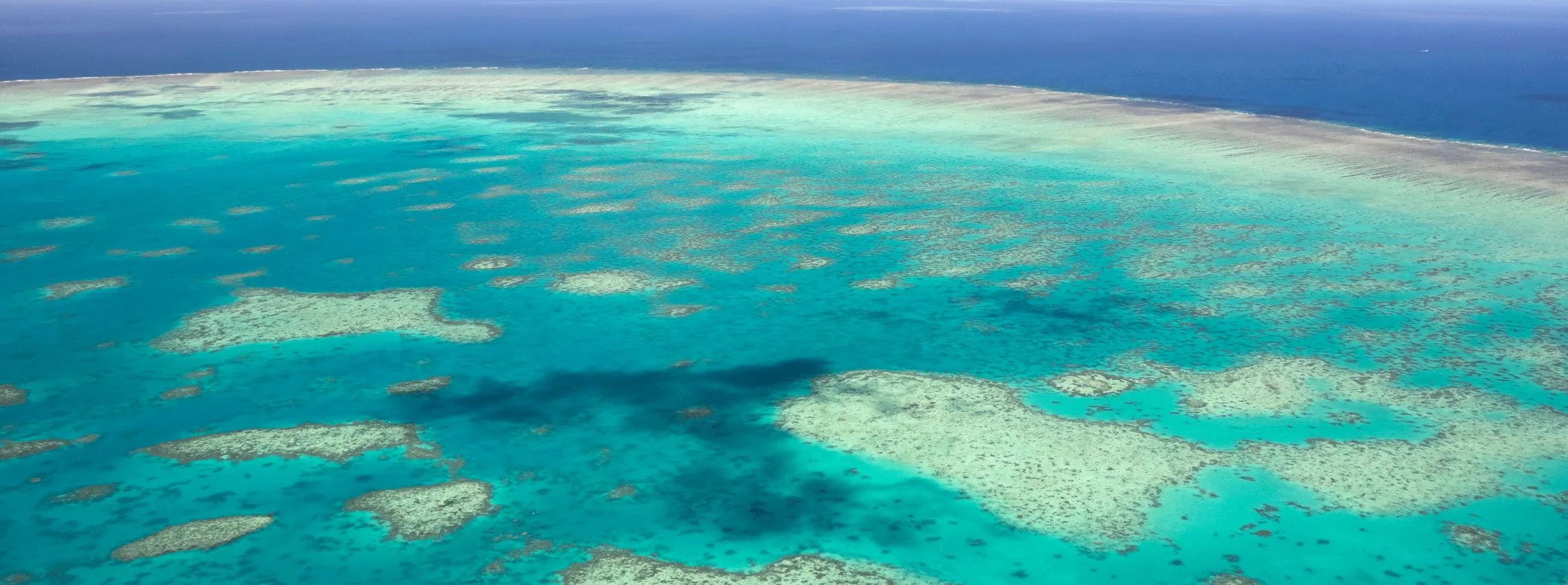
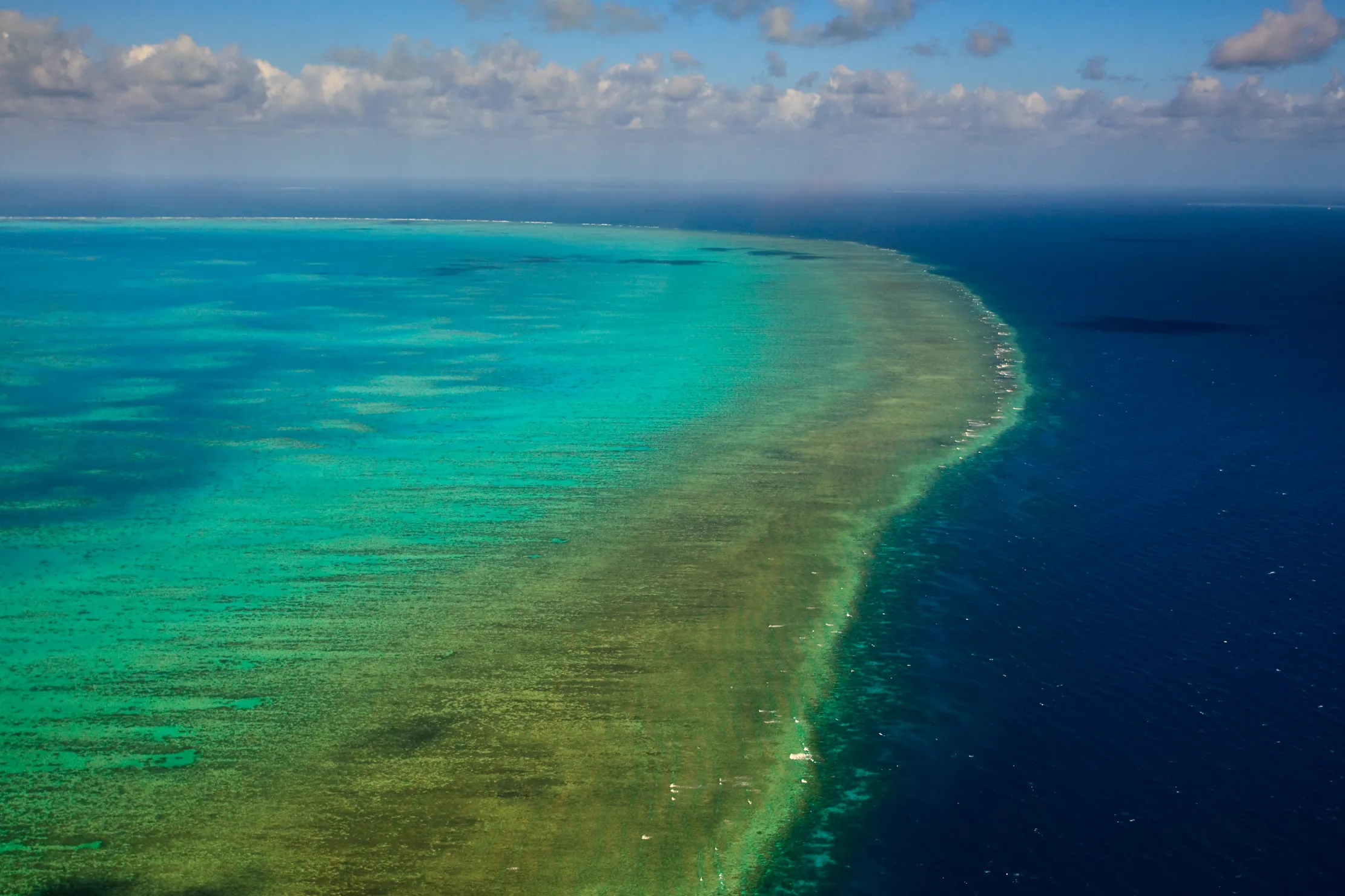
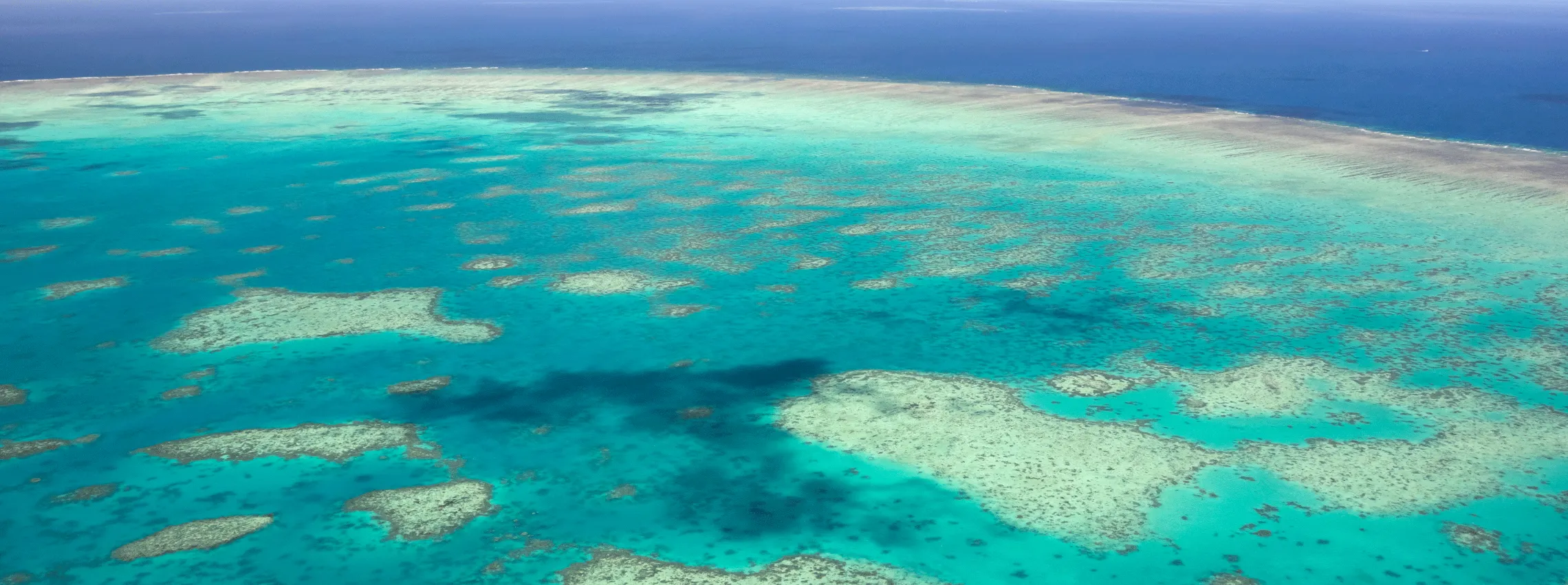
The Great Barrier Reef is the world’s largest and most famous reef system and a fantastic underwater adventure for travellers. This natural phenomenon stretches 2,300 kilometres along the sun-drenched coast of Queensland in north-eastern Australia and is so big it can be seen from outer space. The marine park is composed of thousands of individual reefs, coral cays and tropical islands and is a world-class destination for snorkelers, divers wanting to try the sport for the first time and experienced scuba divers wanting to experience underwater ecosystems teeming with life.
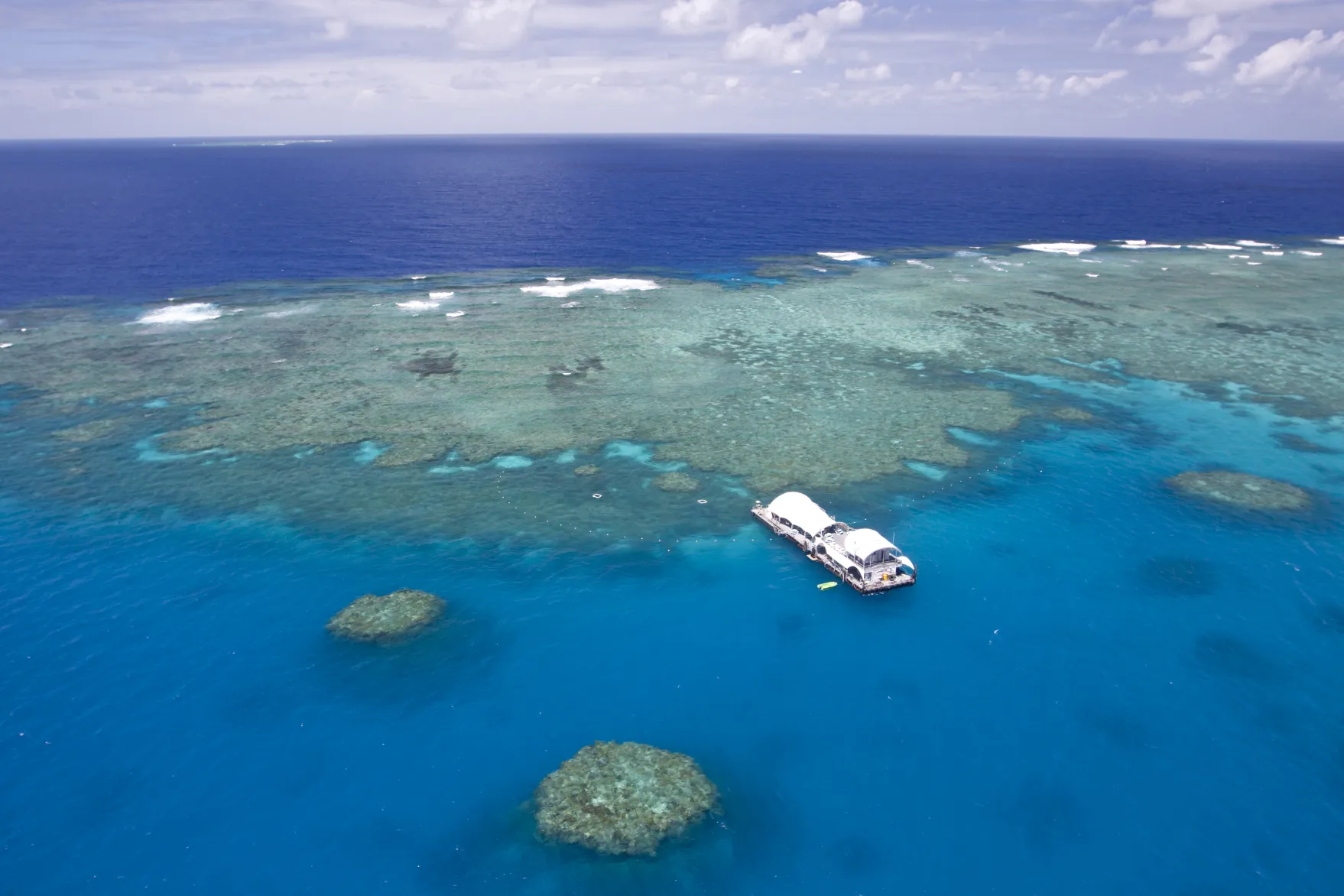
Most reef trips depart from coastal hubs, such as Cairns, Port Douglas and the Whitsundays, and cater for all styles of traveller. Day-trip catamaran cruises take you to big outer-reef pontoon platforms with underwater observatories, semi-submersibles and introductory dives under supervision. Multi-day liveaboard boats take you far offshore to legendary ocean locations. If you want to go deeper and further, you will find glowing coral gardens, dramatic drop-offs and vibrant sea creatures beneath the crystal-clear turquoise waters.
Key Highlights and Underwater Sights:
Explore pristine coral formations alive with marine life such as brain corals, sea fans and colourful sponges.
Lots of marine life encounters: Find the natural home of green sea turtles, clown fish, giant clams, elegant rays and friendly Maori wrasse.
Liveaboard Expeditions: Days spent at sea, early morning sunrise dives, outer ribbon reefs and exciting night diving adventures.
Aerial and Pontoon Experiences: Take a helicopter to view natural wonders such as Heart Reef from the air, or get out to explore shallow bays from semi-submersible vessels.
Visitor Information, Getting Here and When to Visit
How to get there: The main gateways are Cairns and Port Douglas in Tropical North Queensland and Airlie Beach for the Whitsundays.
Best Time to Go Clear water visibility, comfortable sea temperatures and low rainfall are characteristic of the dry winter season from May to October.
Visitor Tips: Use reef-safe sunscreen to protect sensitive coral habitats, wear a sting suit in summer months and allow 12-24 hours between diving and flying.
Nearby Destinations and Coastal Highlights
Port Douglas – relaxed beachside town with direct access to the reef, boutique shopping, palm-fringed beaches and Coral Sea dining.
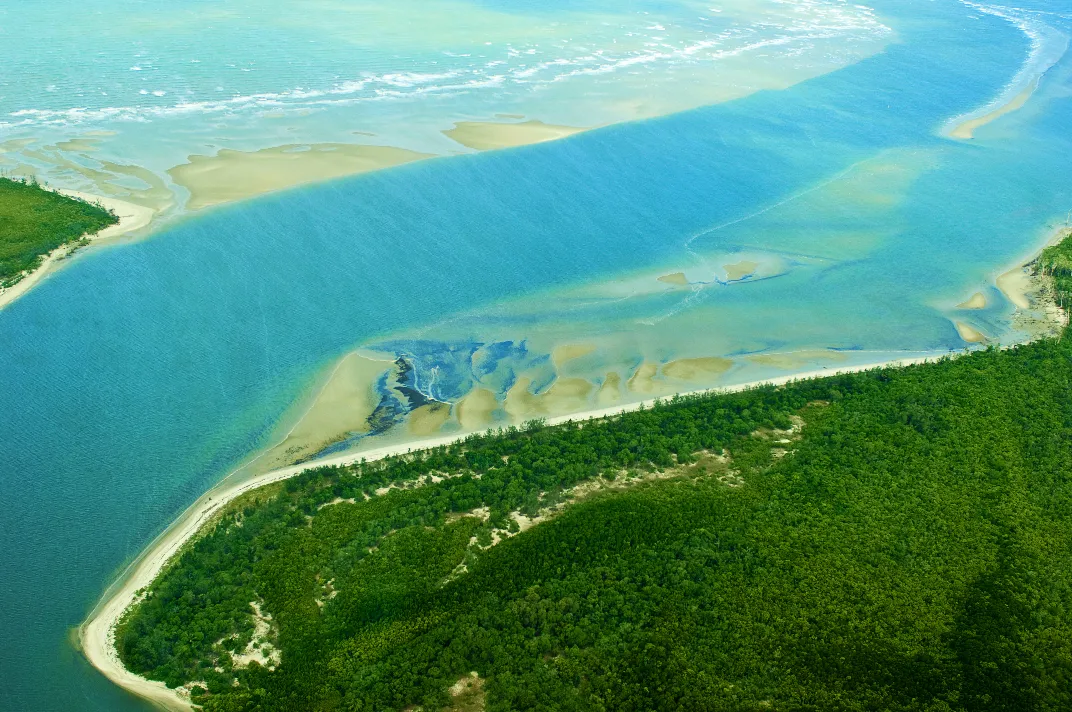
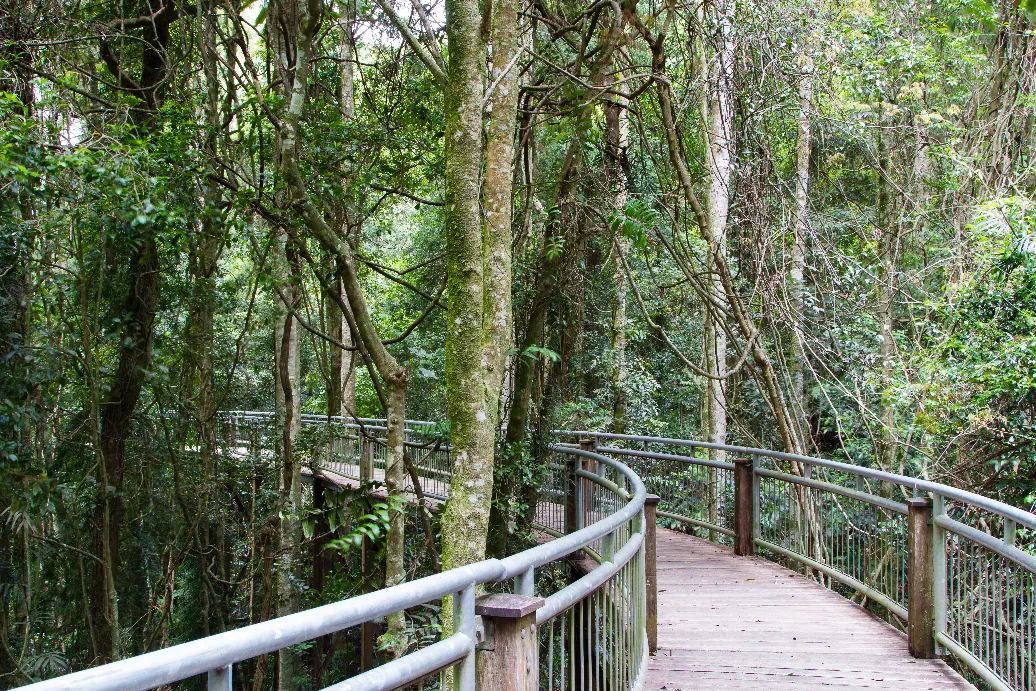
Daintree Rainforest – A world heritage-listed ancient tropical rainforest where the verdant canopy meets the edge of the Great Barrier Reef.
Whitsunday Islands: 74 tropical islands. Famous for Whitehaven Beach, turquoise waters and sailing tours.
Good to Know Before You Dive
Do you need to be a certified scuba diver to dive the Great Barrier Reef?
You don't have to be a certified scuba diver to dive the Great Barrier Reef. No, but non-divers can try the water on fully supervised introductory dives (Discover Scuba) conducted by certified dive instructors, after a brief safety briefing.
Where is the best place to start a Great Barrier Reef dive tour?
The main departure points - with the most day boats, liveaboard operators and pontoon trips - are Cairns and Port Douglas.
What is the difference between a day trip and a liveaboard tour?
Day trips to outer reef platforms or islands for the day. The liveaboard boats let you stay on the water overnight and do multiple dives over far-off reefs.
Explore Australia’s tropical coast and its coral and marine life reefs. Book your Great Barrier Reef tour with Skanda Holidays today!